I don’t think good photographs come only from luck, and I don’t think they come only from skill either. For me, they happen somewhere in between.
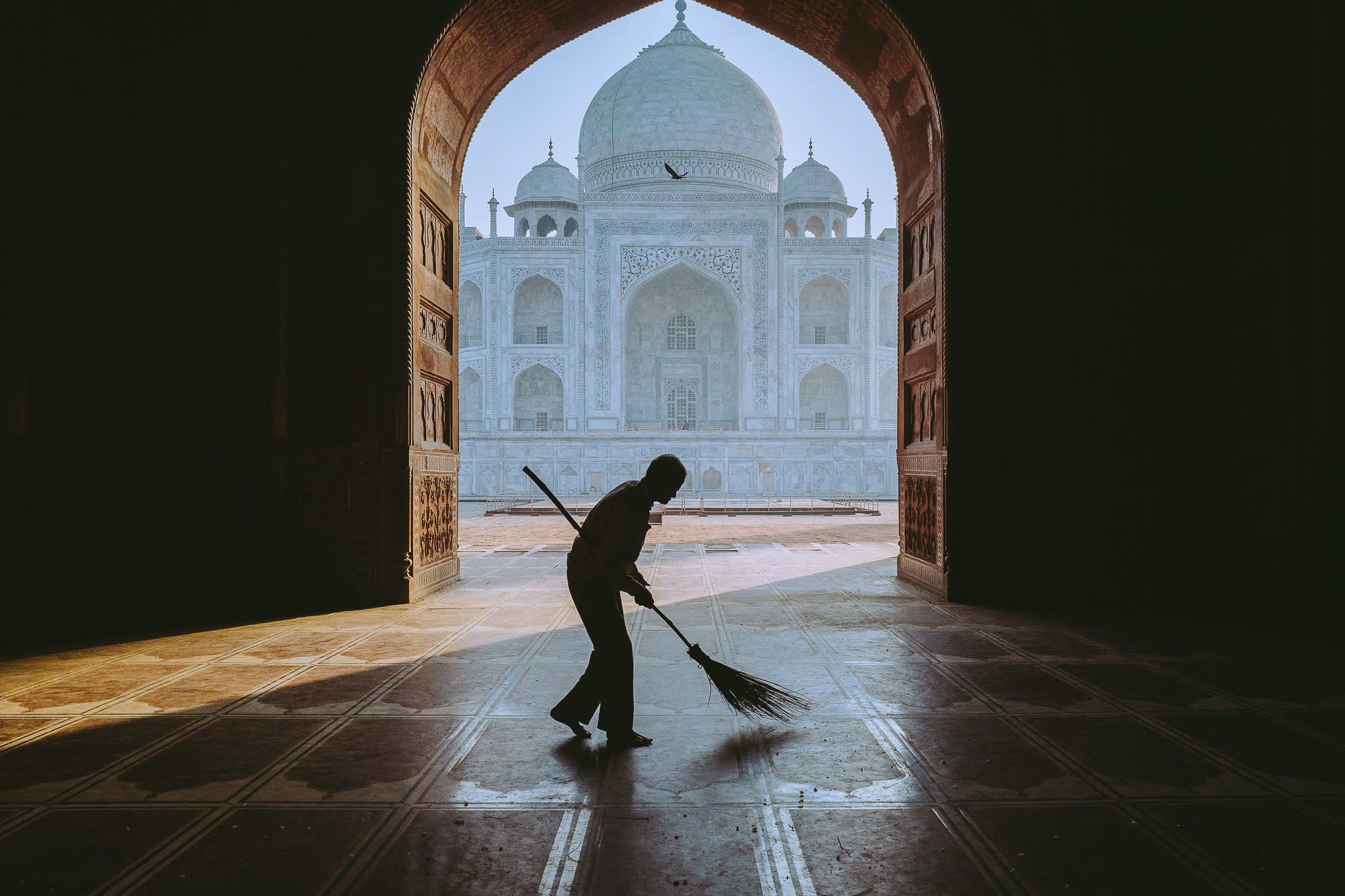
I’ve visited the Taj many times, but this remains my favourite photograph of all. It was taken on my second visit, when I went in without any preconceptions and ended up making a photograph I’ll cherish for a lifetime.
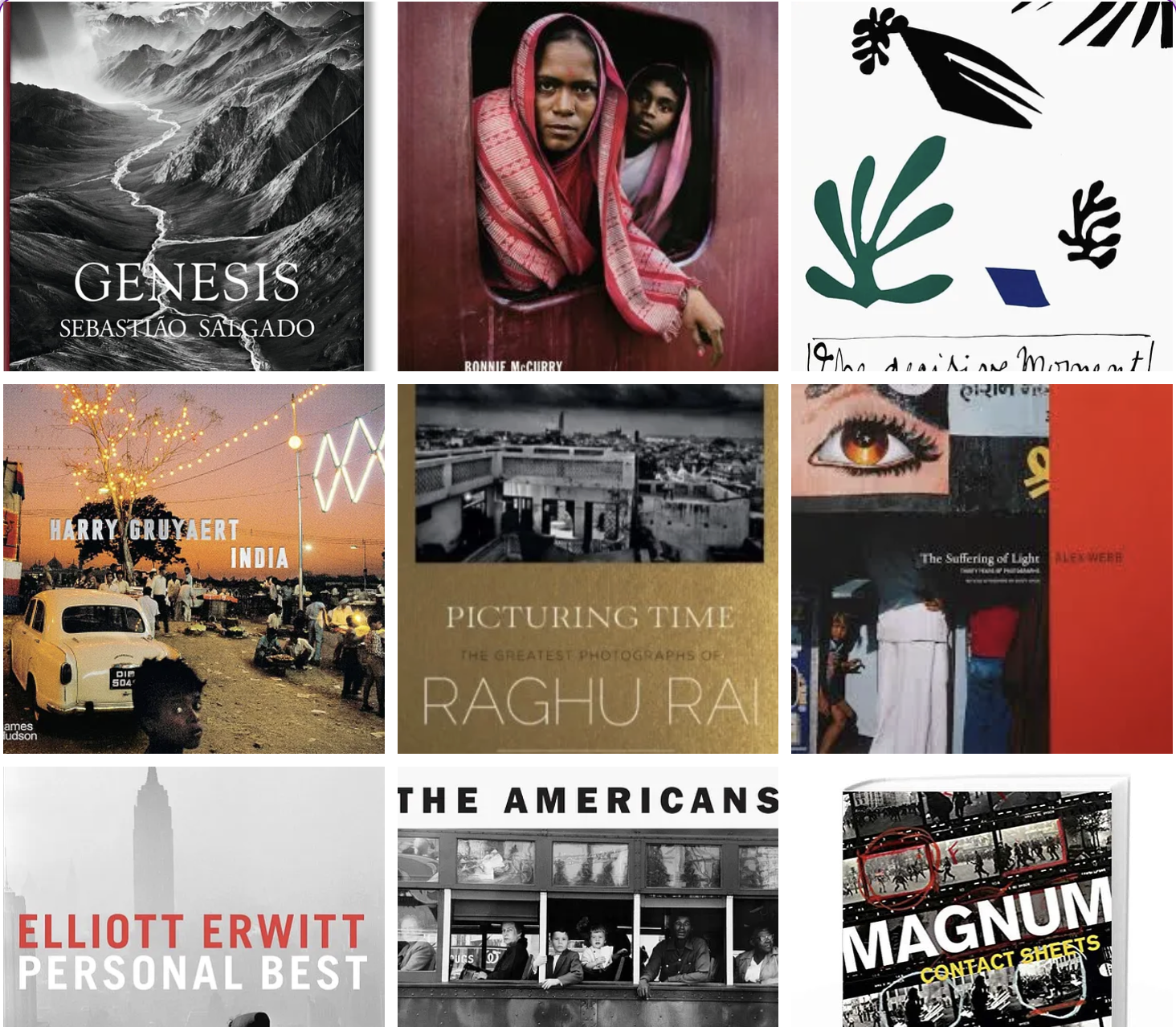
Over the years, I’ve spent a considerable amount of time examining photographs, photo books, films, and observing people and places while I am out with a camera or in my daily life. I believe that way of looking slowly trains the eye. It helps you notice light, spacing, timing, and small details. You don’t consciously think about these things on the street, but they stay with you helps you play around with these when you are making the photos.

The boys were jumping into the water from the dock while I photographed them. Suddenly, he asked me to follow him, climbed onto a big parked boat, and jumped from there.
When I walk with my camera in India, I’m not trying to apply theory or rules. I’m just responding to what’s happening in front of me. But because of everything I’ve seen before, I’m able to recognise when something might come together. That recognition comes from experience, not planning.
The strongest moments arrive without warning. Someone steps into the frame, a shadow shifts, or a situation changes in a second. You can’t plan these things. That’s where chance enters. If you’re present and not forcing an image, chance often finishes what preparation starts.
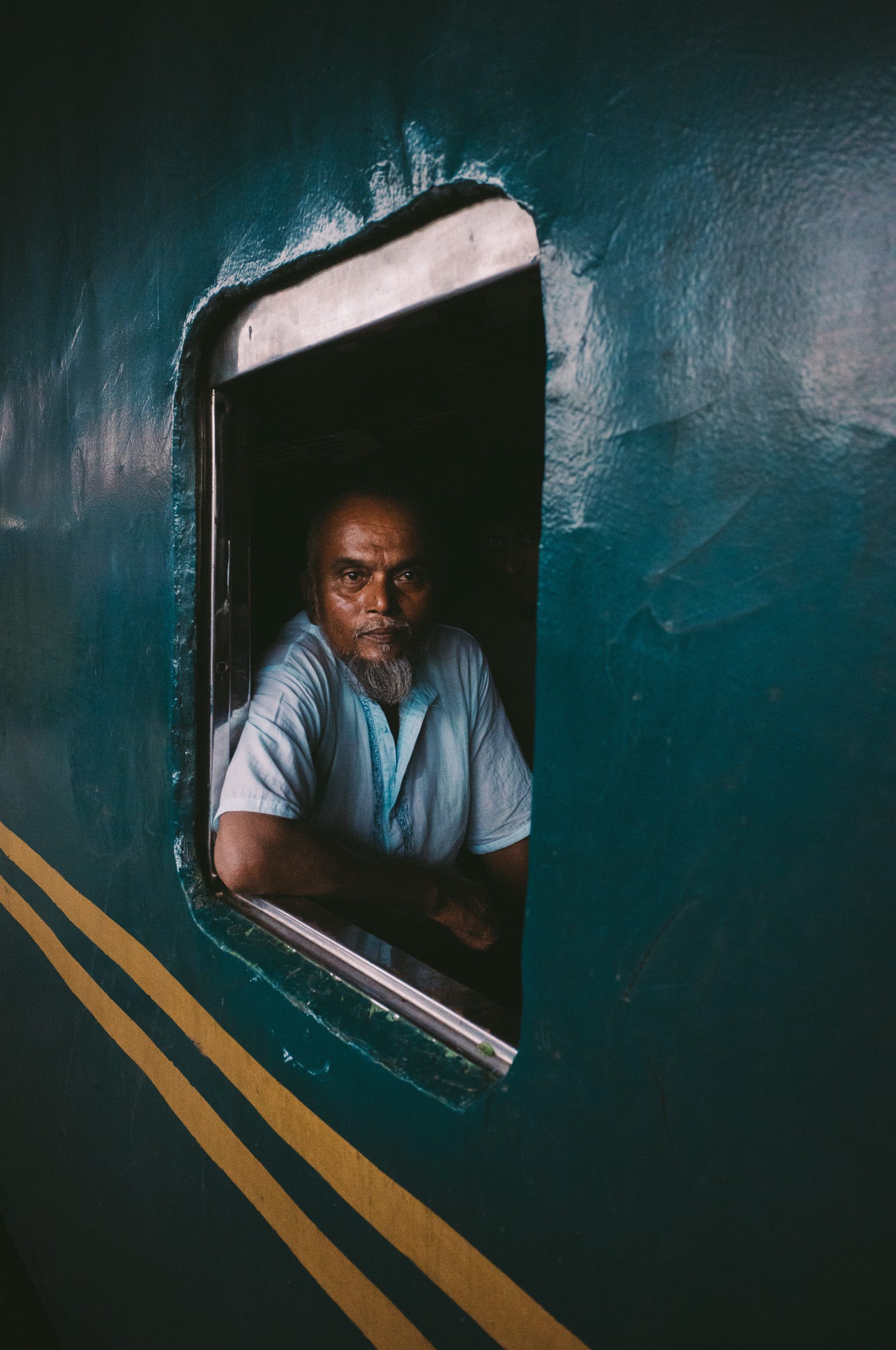
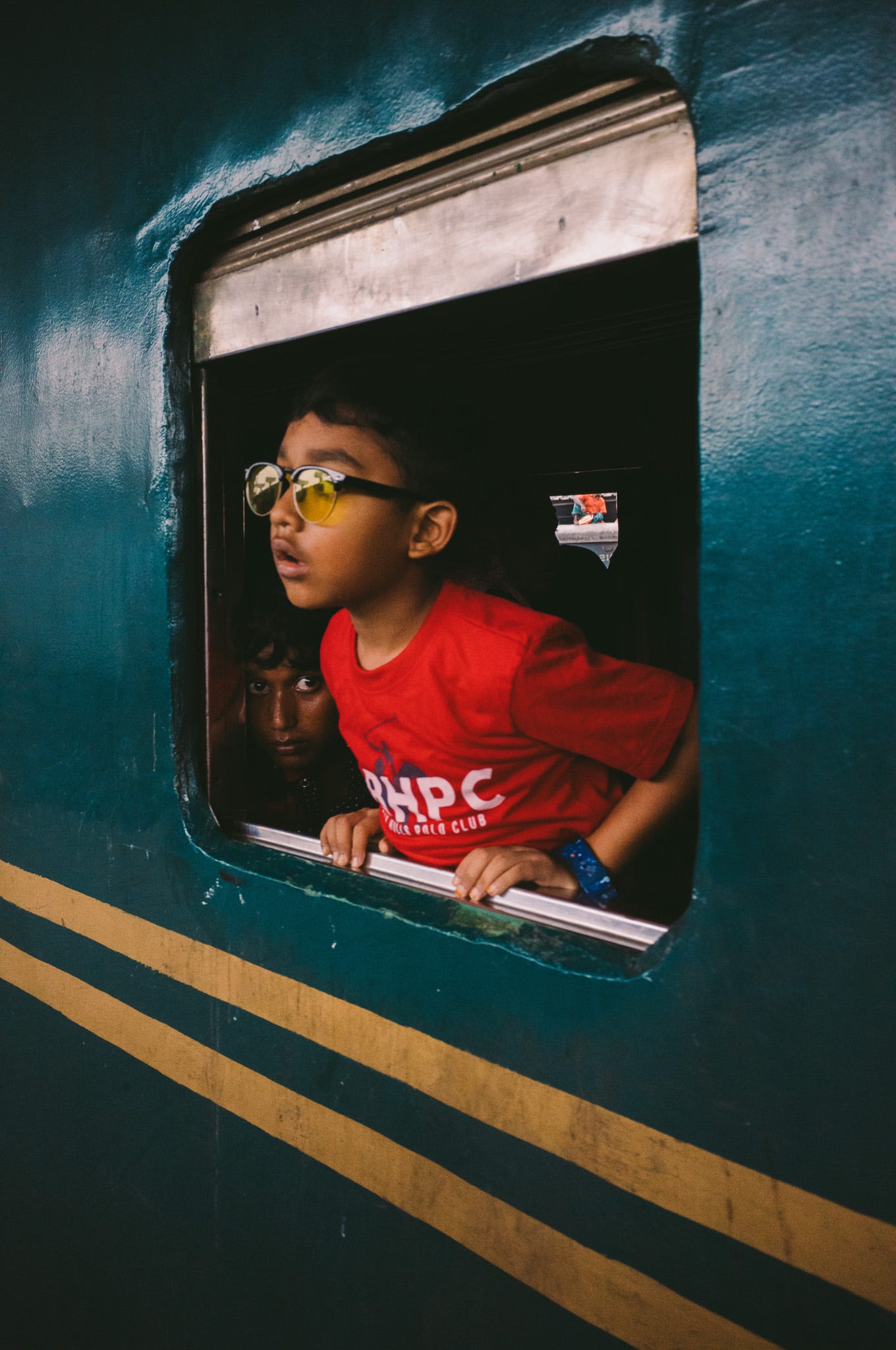
The picture at the top is what I was aiming for with the main subject (boy) in the bottom frame. But the boy in the red T-shirt suddenly stepped in with an expression I wasn’t ready for. I clicked anyway, and the original subject slipped out of the frame and tried sneaking out.
Control still matters. Knowing your camera and being comfortable with your settings gives you the freedom to react. But once that part is handled, holding on too tightly usually gets in the way. On Indian streets, nothing waits for you. The moment either happens or it doesn’t.
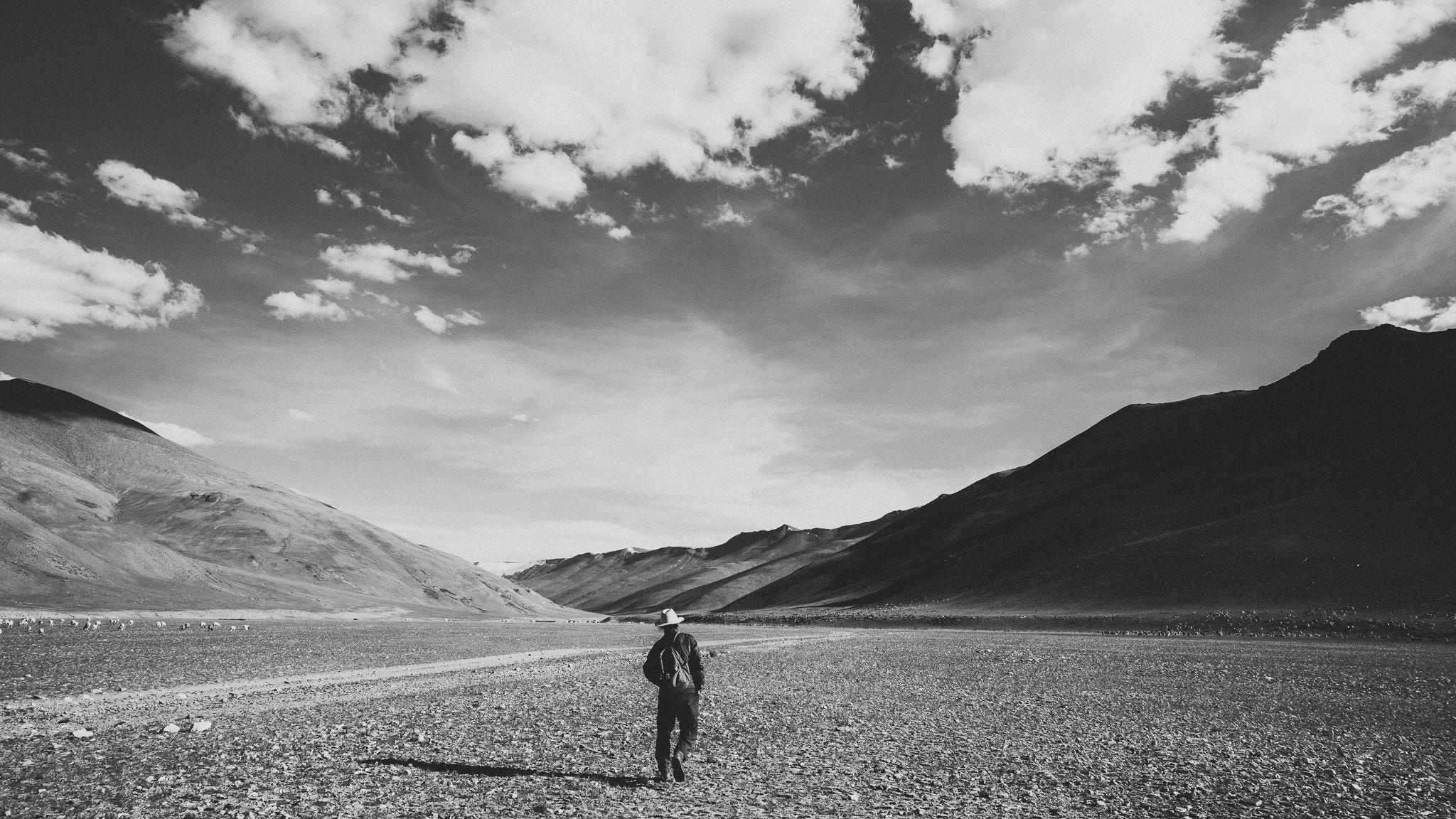
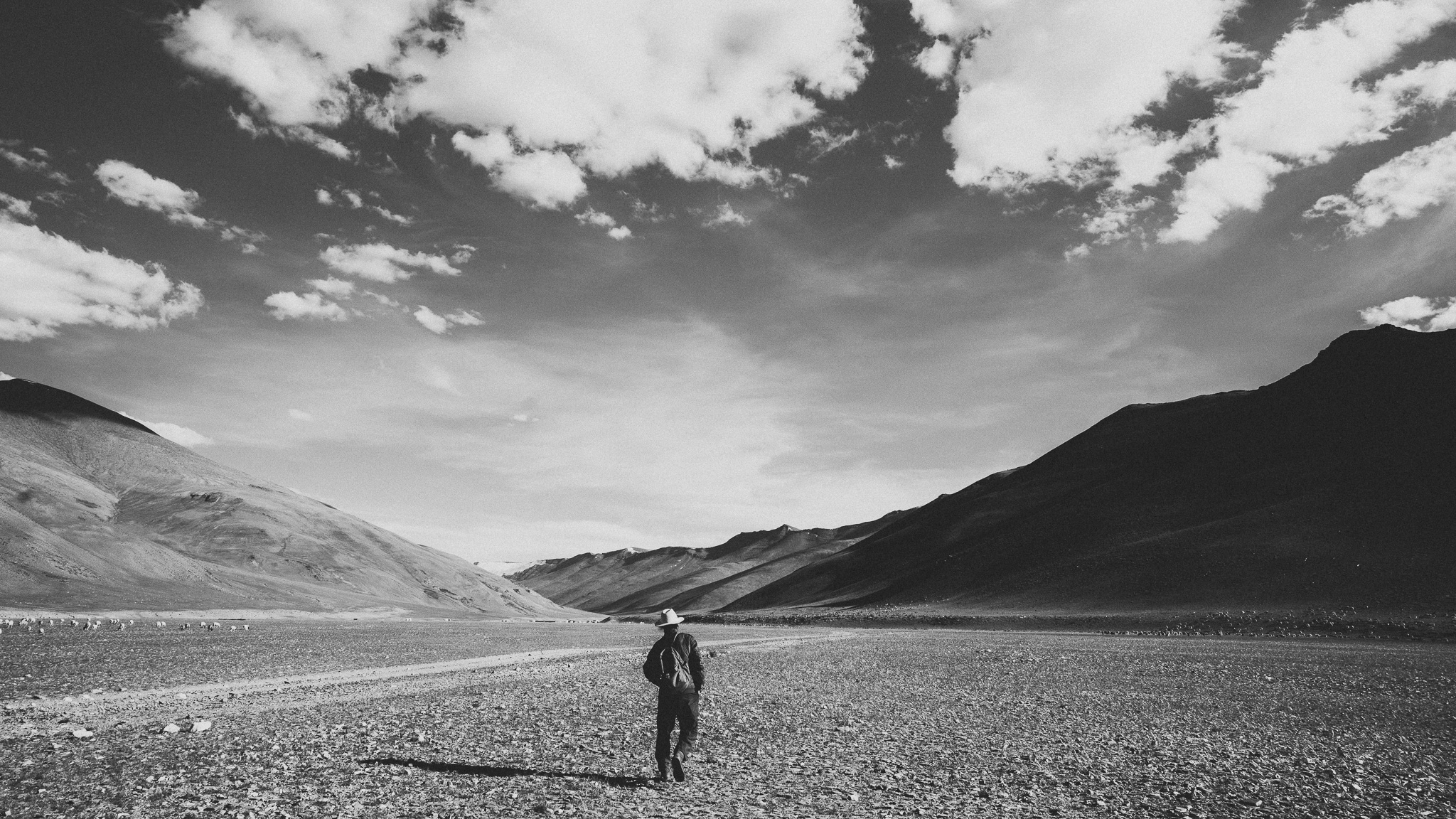
I have always admired the idea of finding stillness in motion, and this picture is a perfect example. I photographed this picture on one of my workshops in Ladakh.
For me, art prepares the eye, and chance brings the photograph to life. When both come together, something interesting happens, not because it was perfect, but because it was real.
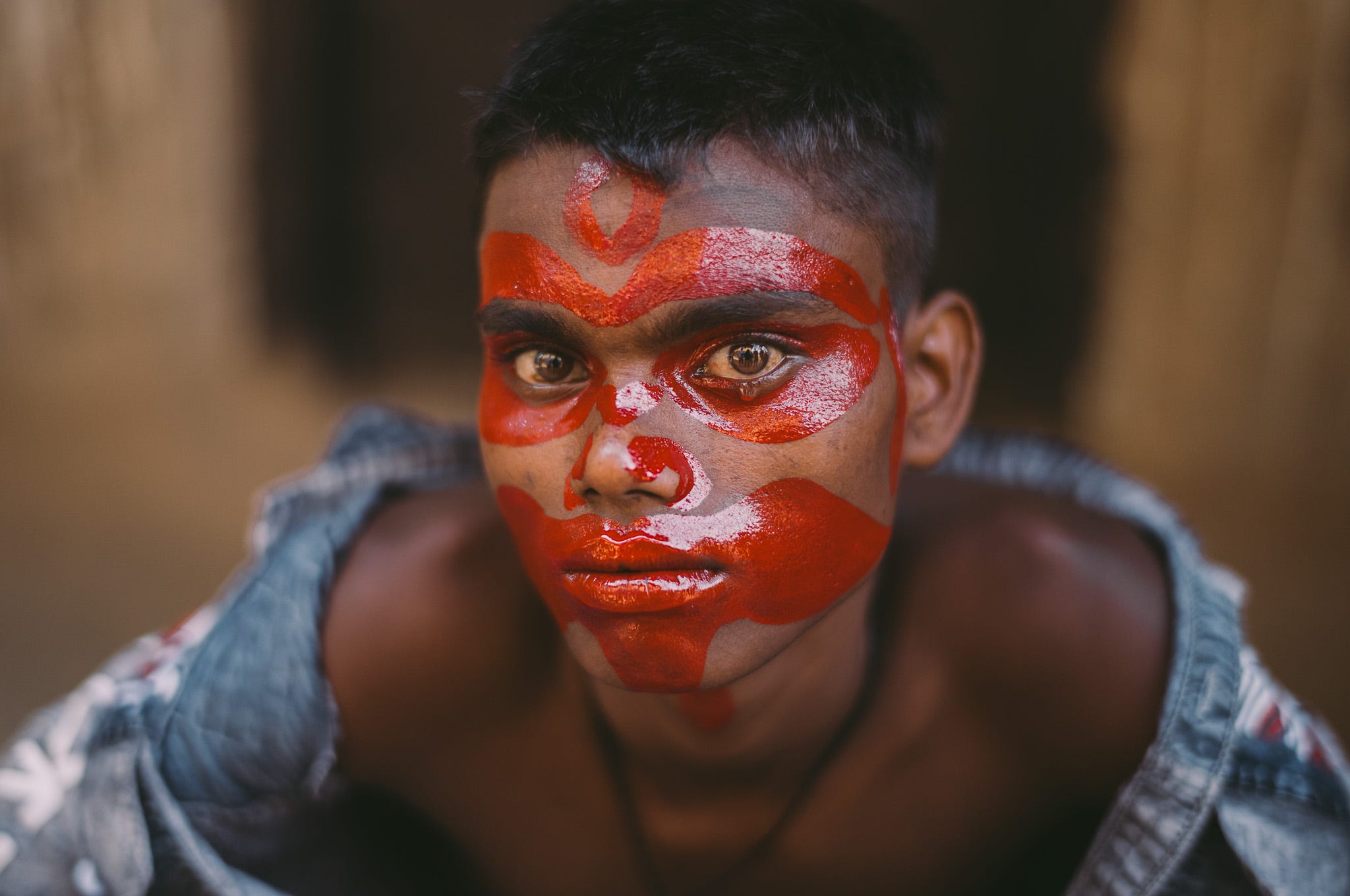
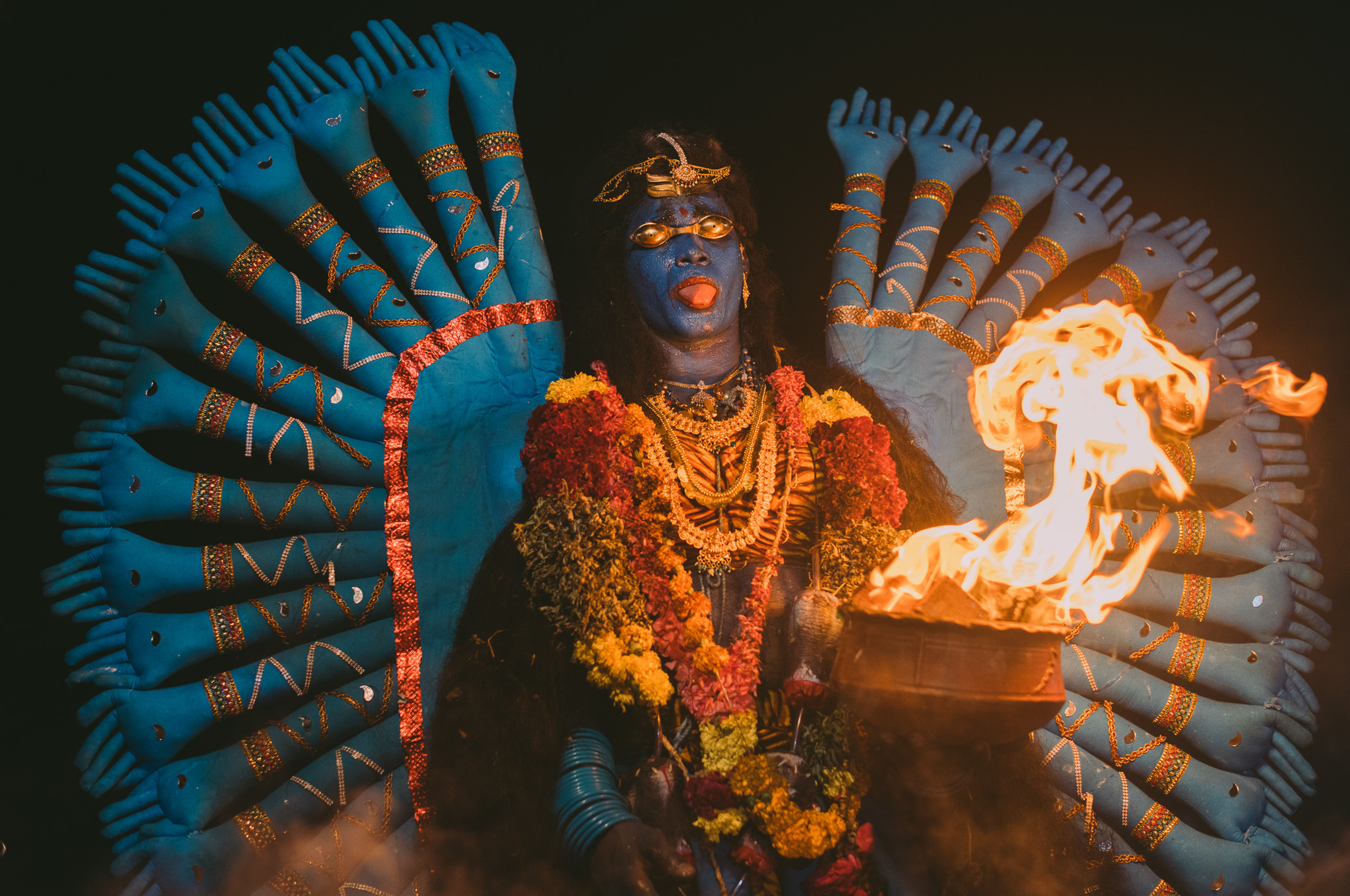
I asked this boy if I could make his portrait during the Gajan Festival. He agreed quietly. As I started photographing, the face paint irritated his eyes, and tears appeared. I paused and felt a deep connection to his innocence, and this photo will always remind me of such innocence.
Mastering the basics gives you freedom. When you know your camera well, your exposure, focus, and framing, you stop thinking about technical things and start paying attention to what’s happening in front of you. That’s when moments begin to work their magic. You don’t force the photograph; you respond to it. The basics don’t make the picture for you, but they give you the confidence to let the moment unfold and react when something unexpected happens.
To let chance guide your photographs, you need flexibility, not just in your camera settings, but in your mind. You have to stop trying to control everything and start listening to the scene. The street is always offering something, but it never repeats itself. If you’re open and attentive, those fleeting moments become your photographs.
Till next time,
Shivam
Shivam Pandey
Born in Varanasi, shaped by Kolkata — Shivam Pandey has spent over a decade reading the streets before the camera comes out. That is the skill he passes on: not technique, but awareness.Born in Varanasi, shaped by Kolkata — Shivam Pandey has spent over a decade reading the streets before the camera comes out. That is the skill he passes on: not technique, but awareness.
Subscribe to Kolkata Photo Tours
Photography stories, insights, and guides from the streets of Kolkata and India — straight to your inbox.
Free · No spam · Unsubscribe anytime