The more I photograph India, the less it feels like a subject and the more it feels like a teacher.
India is a country full of stories.
Not just the kind you find in books or museums, but the kind happening right in front of you. Every alley, every street corner, every market, every train station, and every roadside tea stall seems to have something going on.
And for a street photographer, that makes India a remarkable place to learn. But the real gift isn’t the abundance of things to photograph. It’s the variety of situations the country puts you in. After 10 years of photographing across India, I’ve come to believe it can teach almost everything a photographer needs to know about the street.
Here are my top four lessons it teaches particularly well.
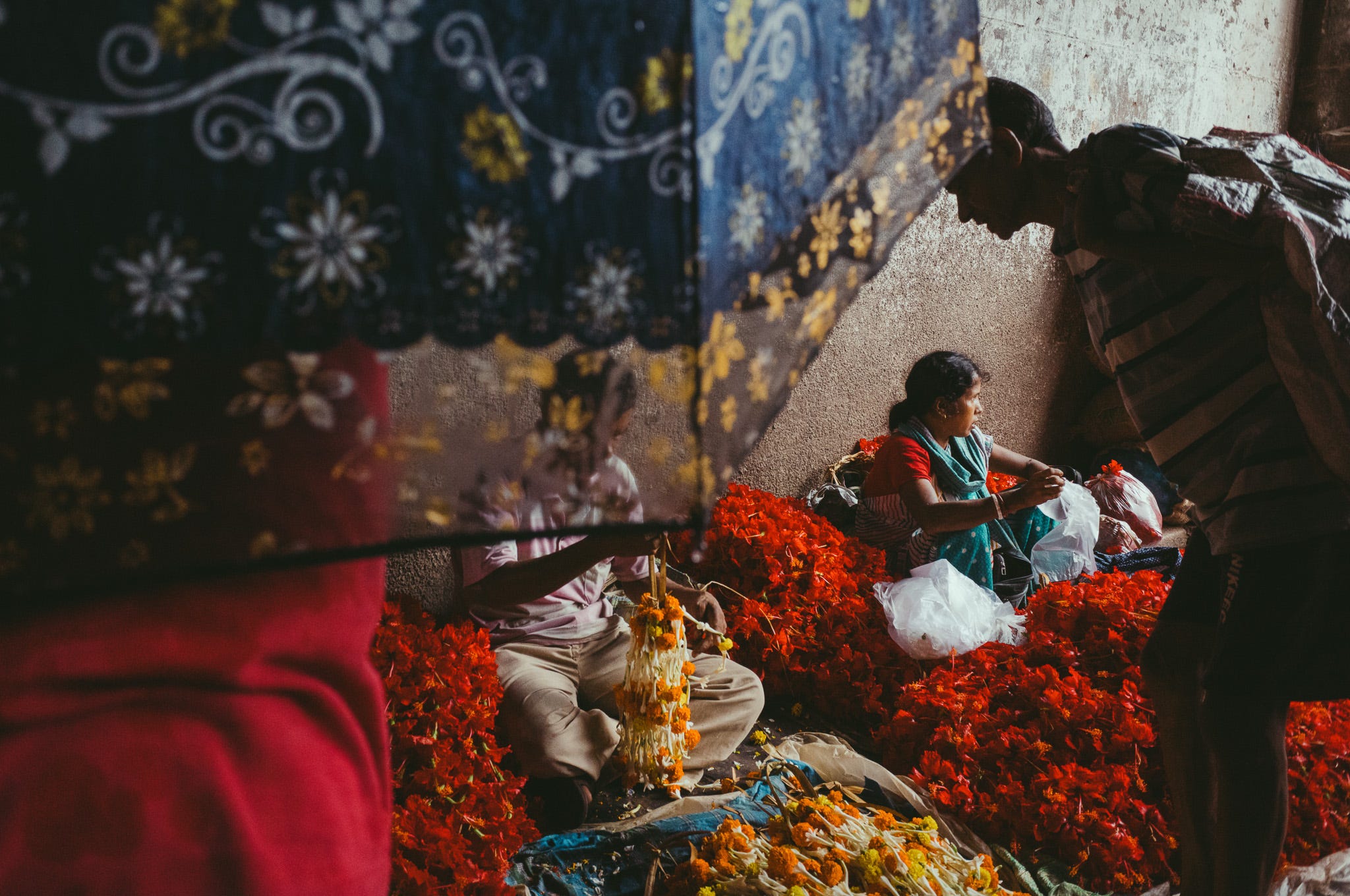
Flower Market, Kolkata
If you want to learn how to photograph movement, chaos, layers and decisive moments, spend time in an Indian market. And don’t think of “the market” as one kind of place. There are wholesale markets, flower markets, fish markets, vegetable markets, spice markets, textile markets and countless smaller neighbourhood ones, and each has its own rhythm. A wholesale market can be incredibly intense, with people arriving, buying, selling, carrying, loading and leaving, and hundreds of transactions happening around you at once.
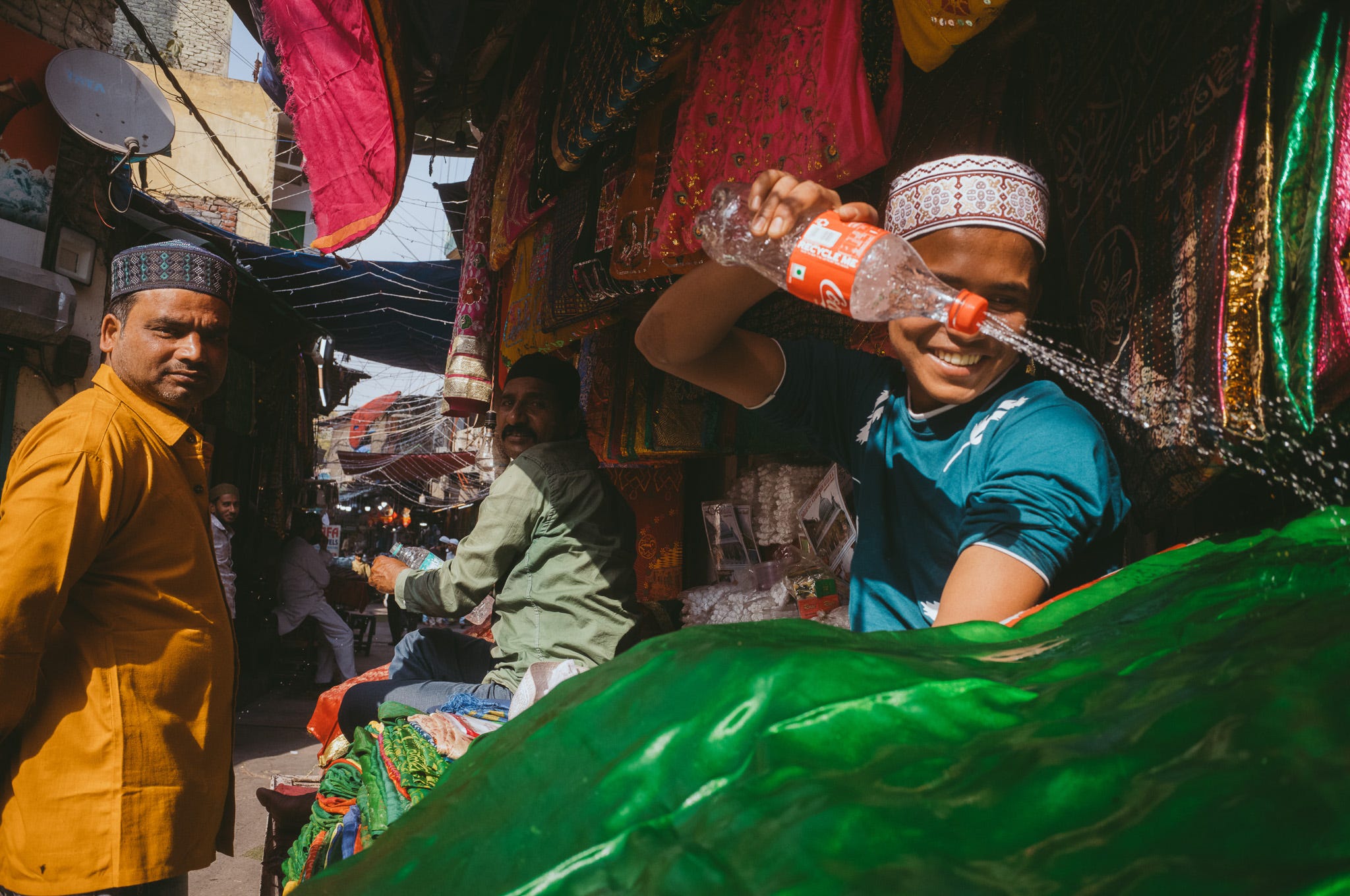
Chandani Chowk, Delhi
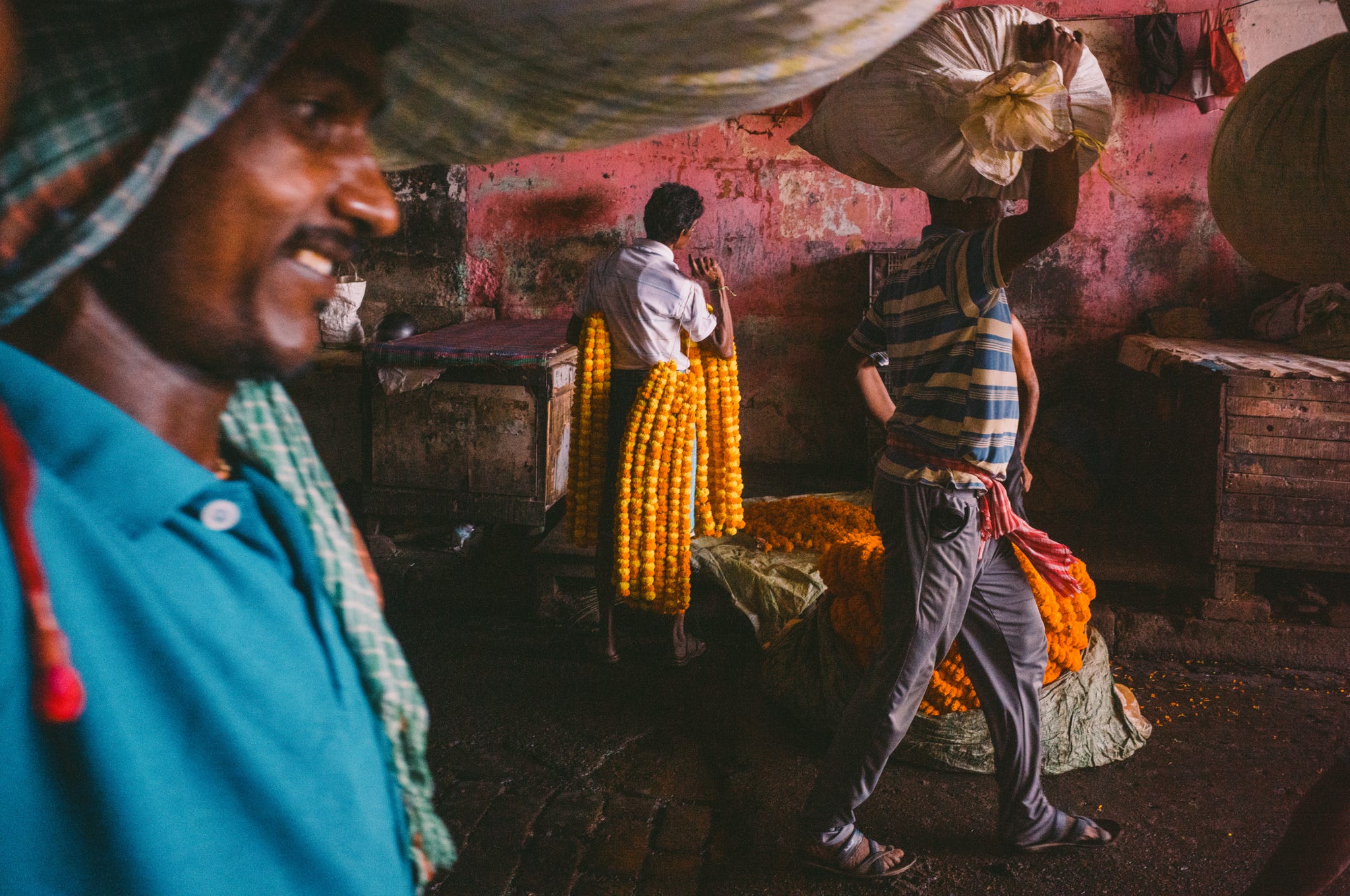
Flower Market, Kolkata
This isn’t the place where you stop every few minutes to ask for a portrait. It teaches you to observe. You have to anticipate what’s about to happen, look for layers, and recognise when two or three elements are about to come together inside your frame. A good street photograph is often not about finding an interesting person. It’s about the relationship between several interesting things happening at the same time: a person walking through a beam of light, a hand reaching for a basket, a bicycle passing behind a vendor.
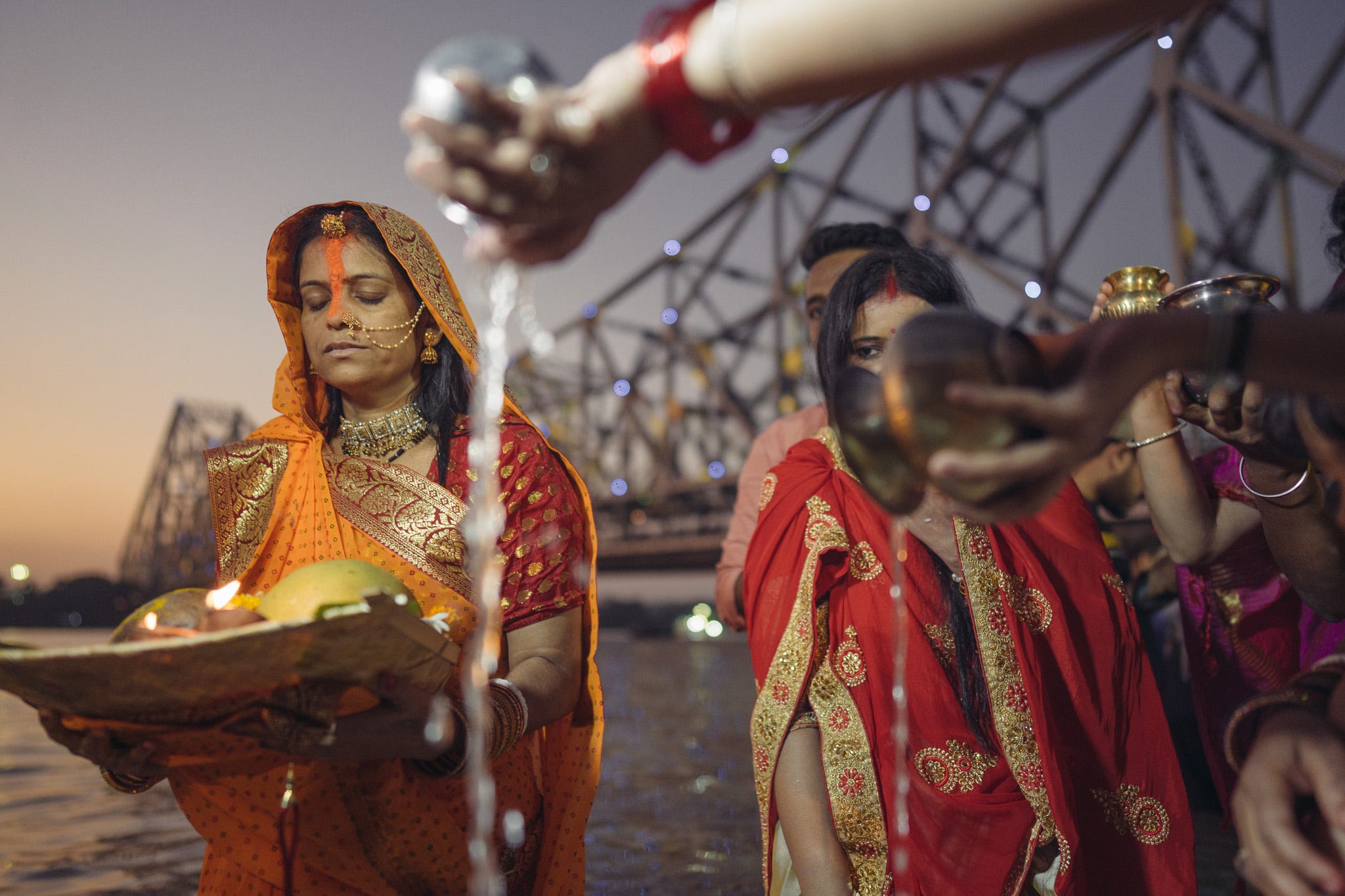
Chhath Puja, Kolkata
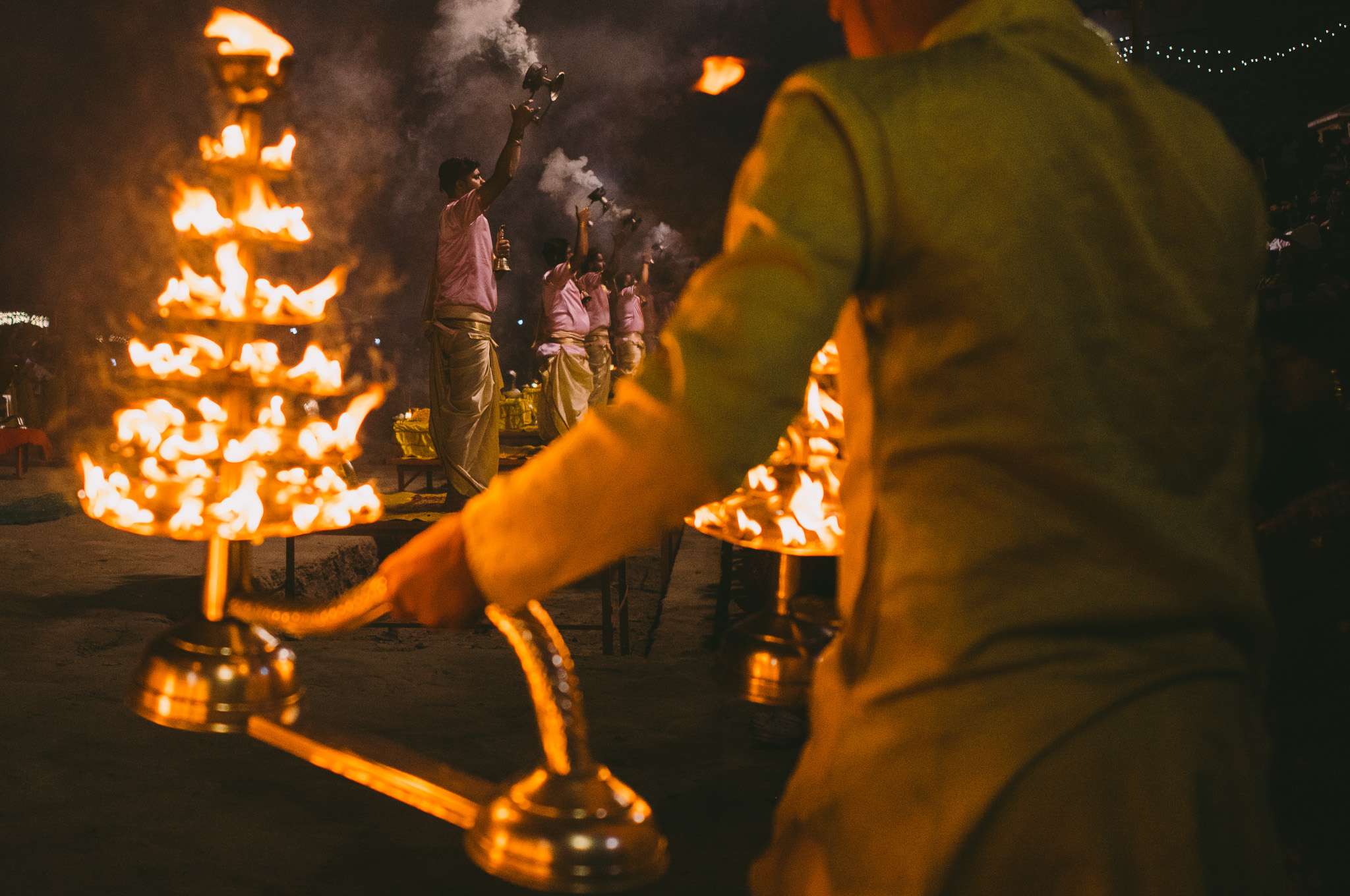
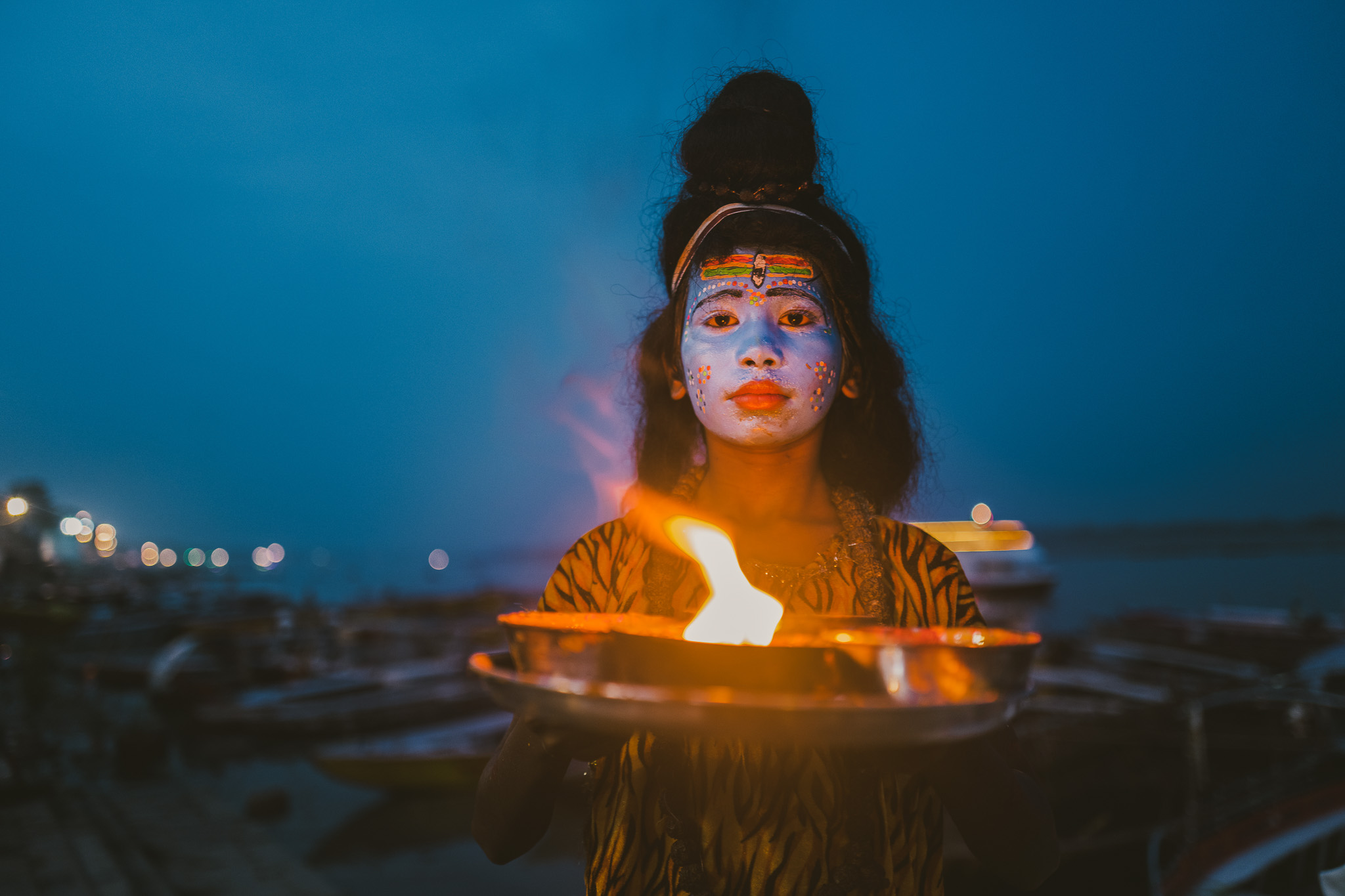
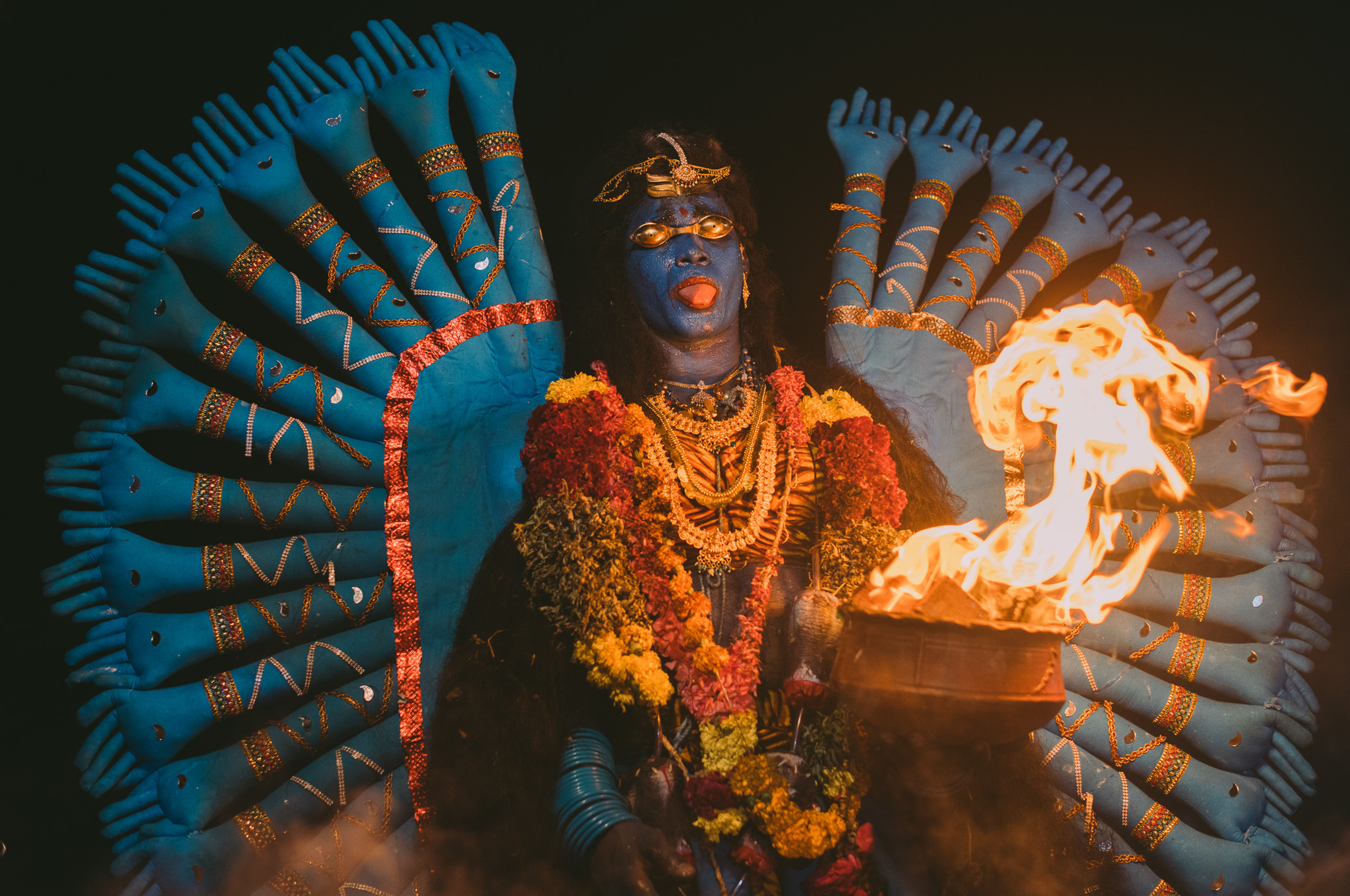
If markets teach you about action, festivals and ceremonies teach you about emotion. Here, people aren’t simply going about their daily routines. They’re celebrating, praying, mourning, taking part in traditions that may have existed for generations. And when people are deeply immersed in something they believe in, their emotions become visible. You can photograph faith, devotion, joy, exhaustion and anticipation, and the intensity of people taking part in something larger than themselves.
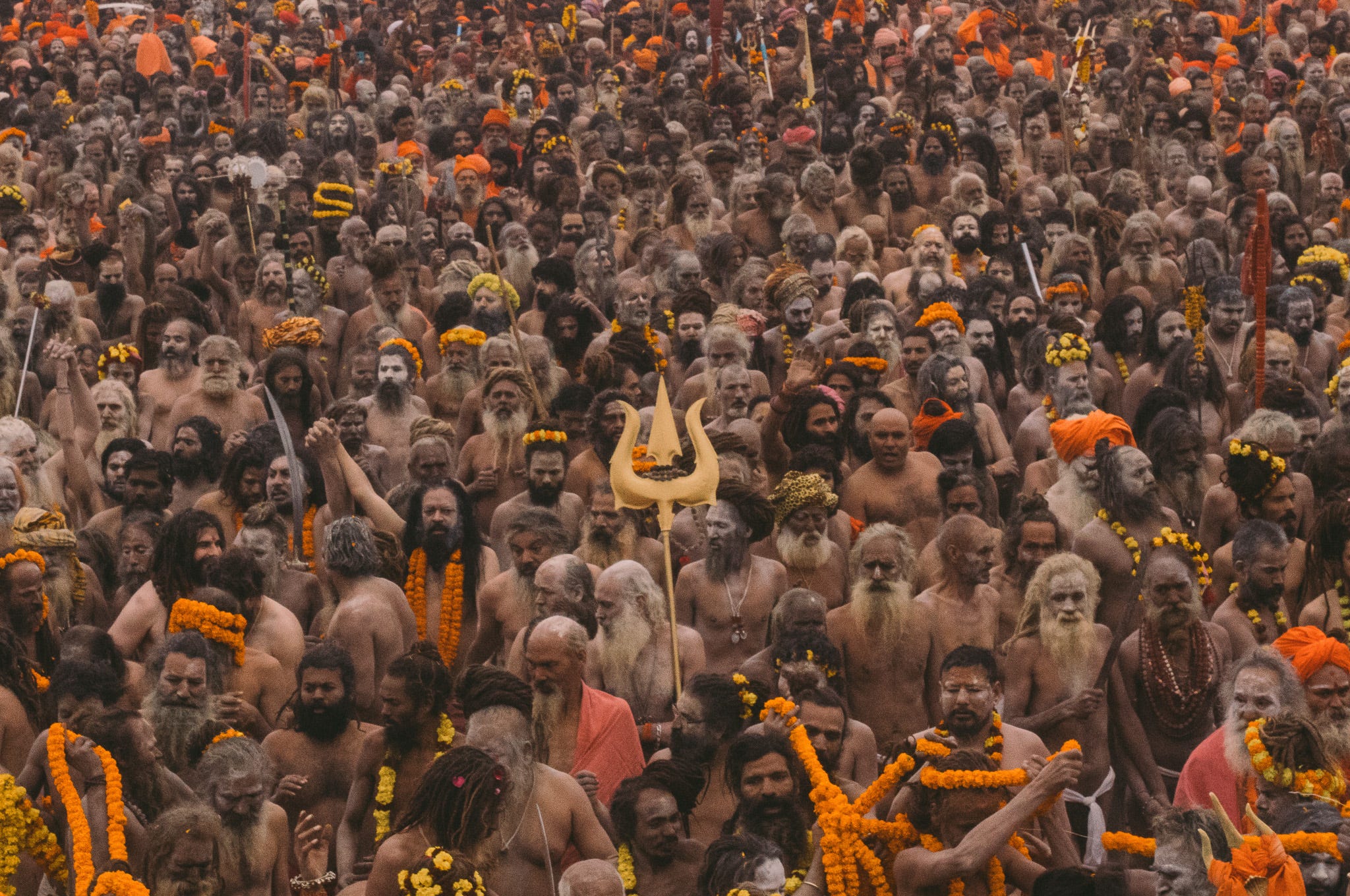
Maha Kumbh Mela, 2025
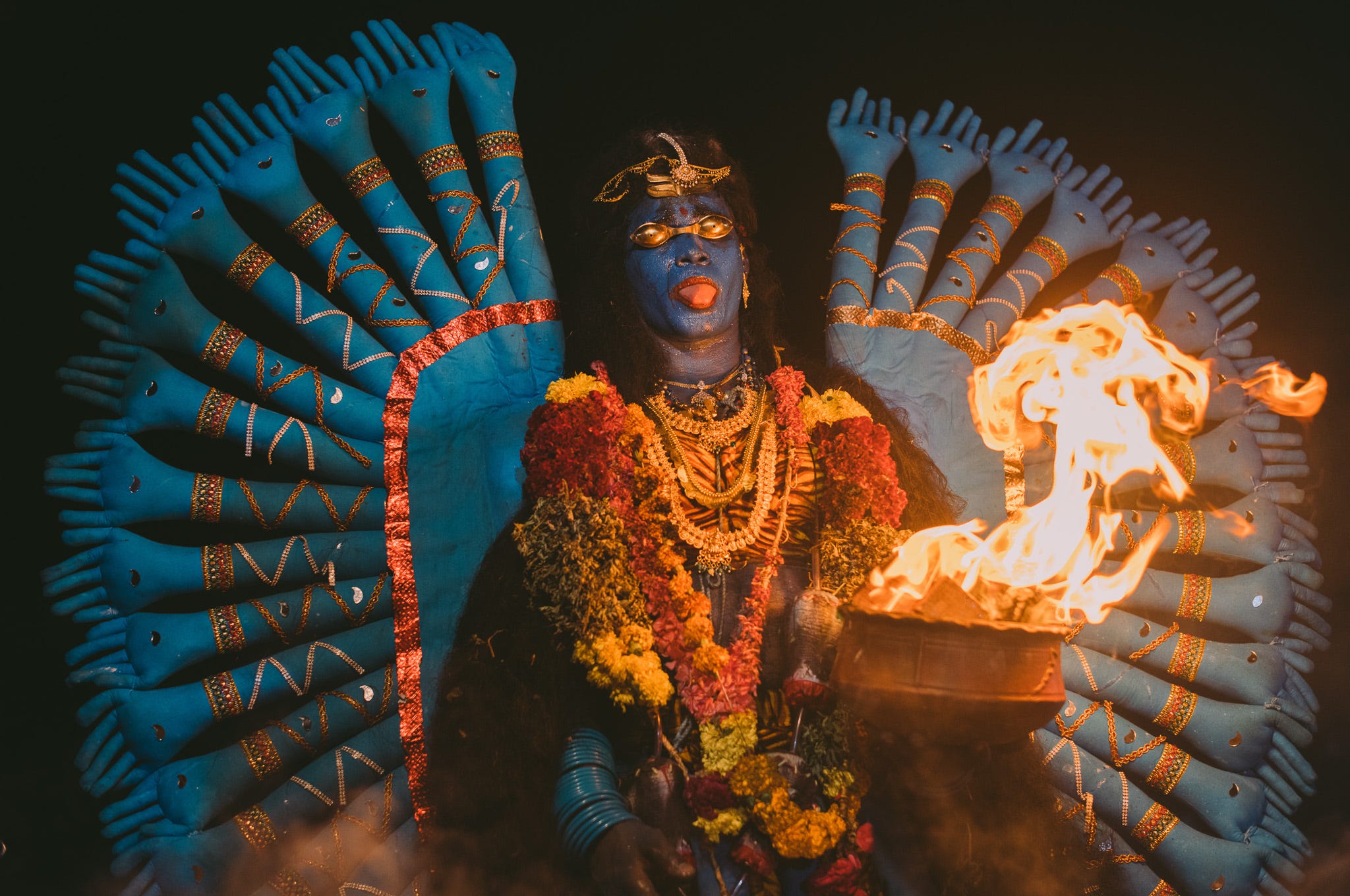
Kulasai Dussera, 2025
This is where photography stops documenting what something looks like and starts communicating what it feels like. A powerful festival photograph doesn’t need to explain the whole ceremony. Sometimes a single expression, a gesture or a small detail carries the emotional weight of the entire experience. So don’t just photograph the colourful clothes. Look at the person wearing them. Don’t just photograph the crowd. Look at the person inside it. That is where the story becomes much more powerful.
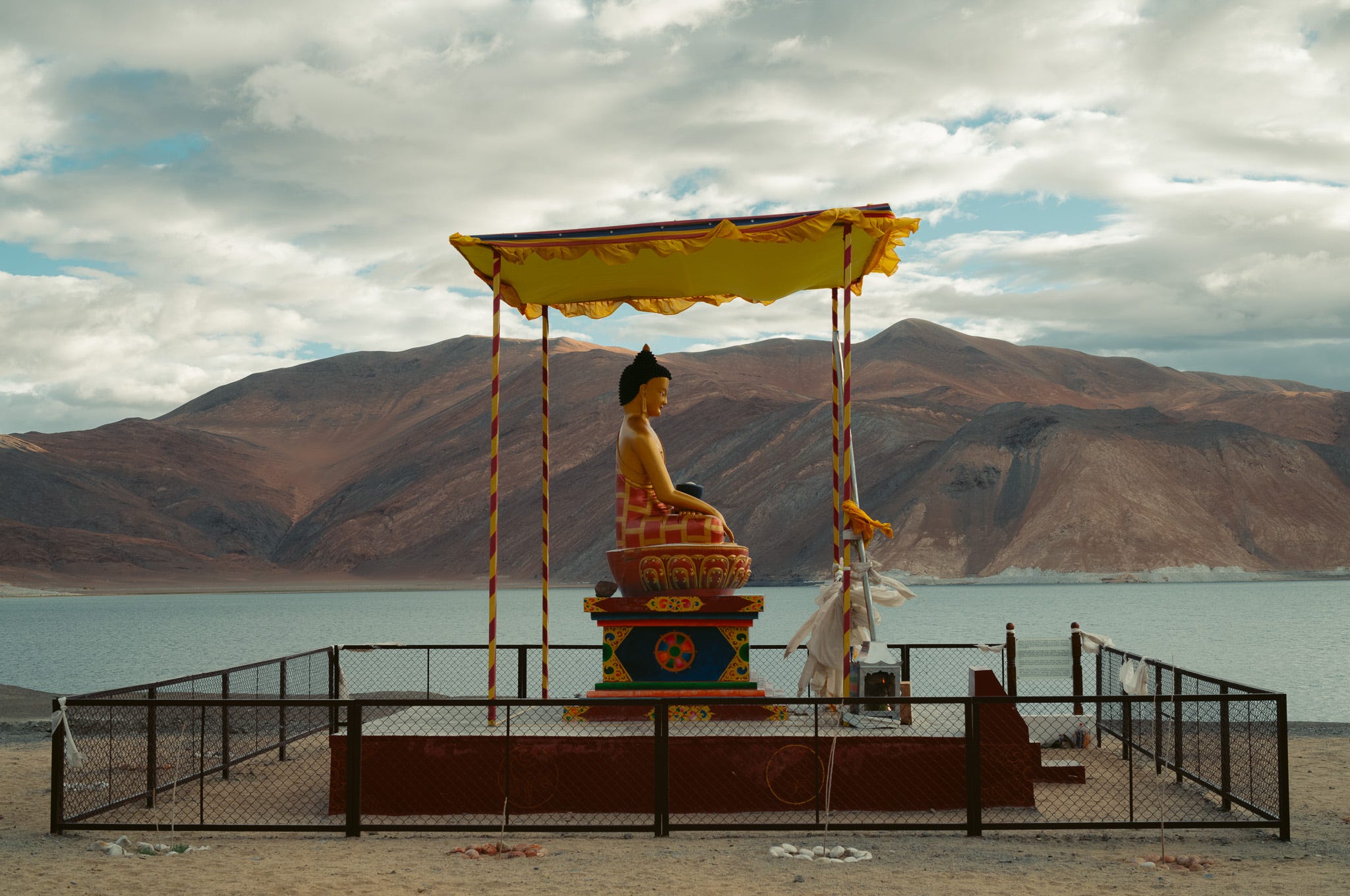
Ladakh
Then there’s the landscape. India is geographically enormous, and it changes dramatically as you travel. The mountains of Ladakh feel nothing like the plains of Uttar Pradesh. Kashmir feels different from Rajasthan, and the northeast feels different from the coast. In a place like Ladakh, you can stand in front of a landscape that feels almost impossible to comprehend: enormous mountains, vast valleys, villages that feel incredibly remote.
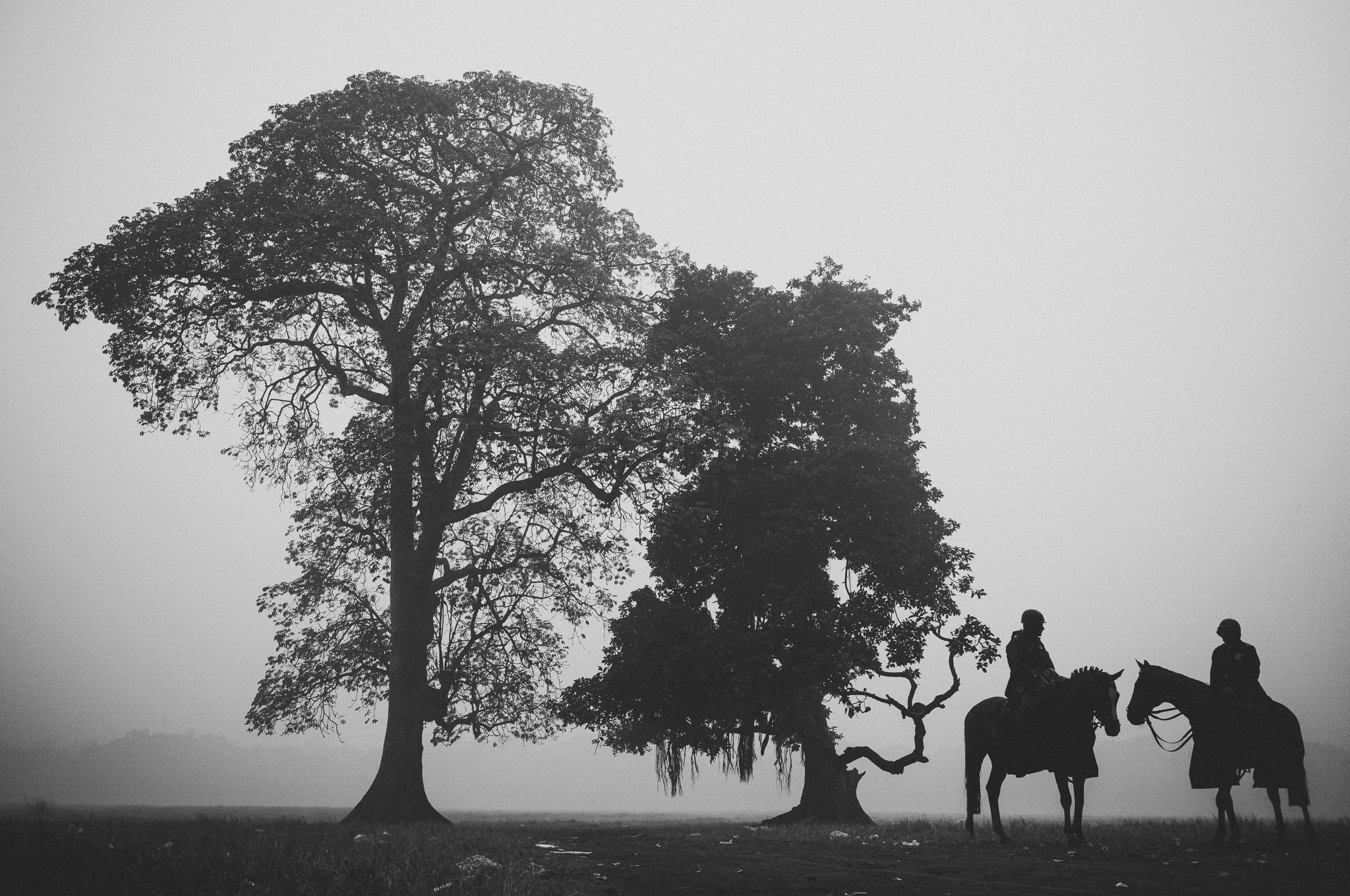
Maidan Grounds, Kolkata
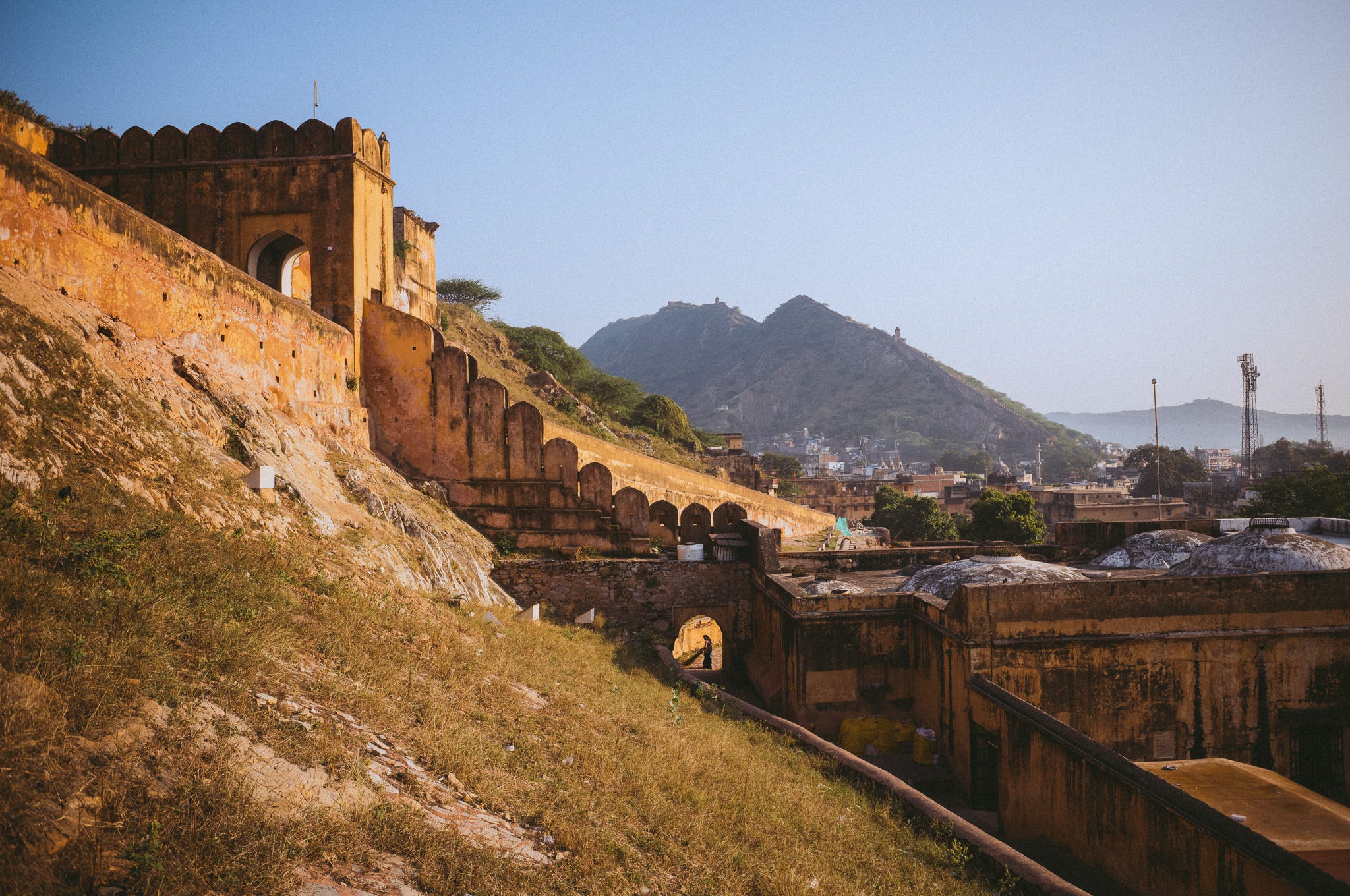
Amer Fort, Jaipur
And then there’s one human being standing inside it. One person, or perhaps a family, or a small group walking through an enormous valley. Suddenly the photograph is about something much bigger than the person. It’s about our relationship with the environment, and it reminds us how small we are. That’s what I love about photographing India: you can move between intimacy and scale. One moment you’re photographing someone’s eyes from a few feet away, and the next you’re hundreds of metres away, watching a tiny figure cross a landscape. Both tell stories about people, just in completely different ways.
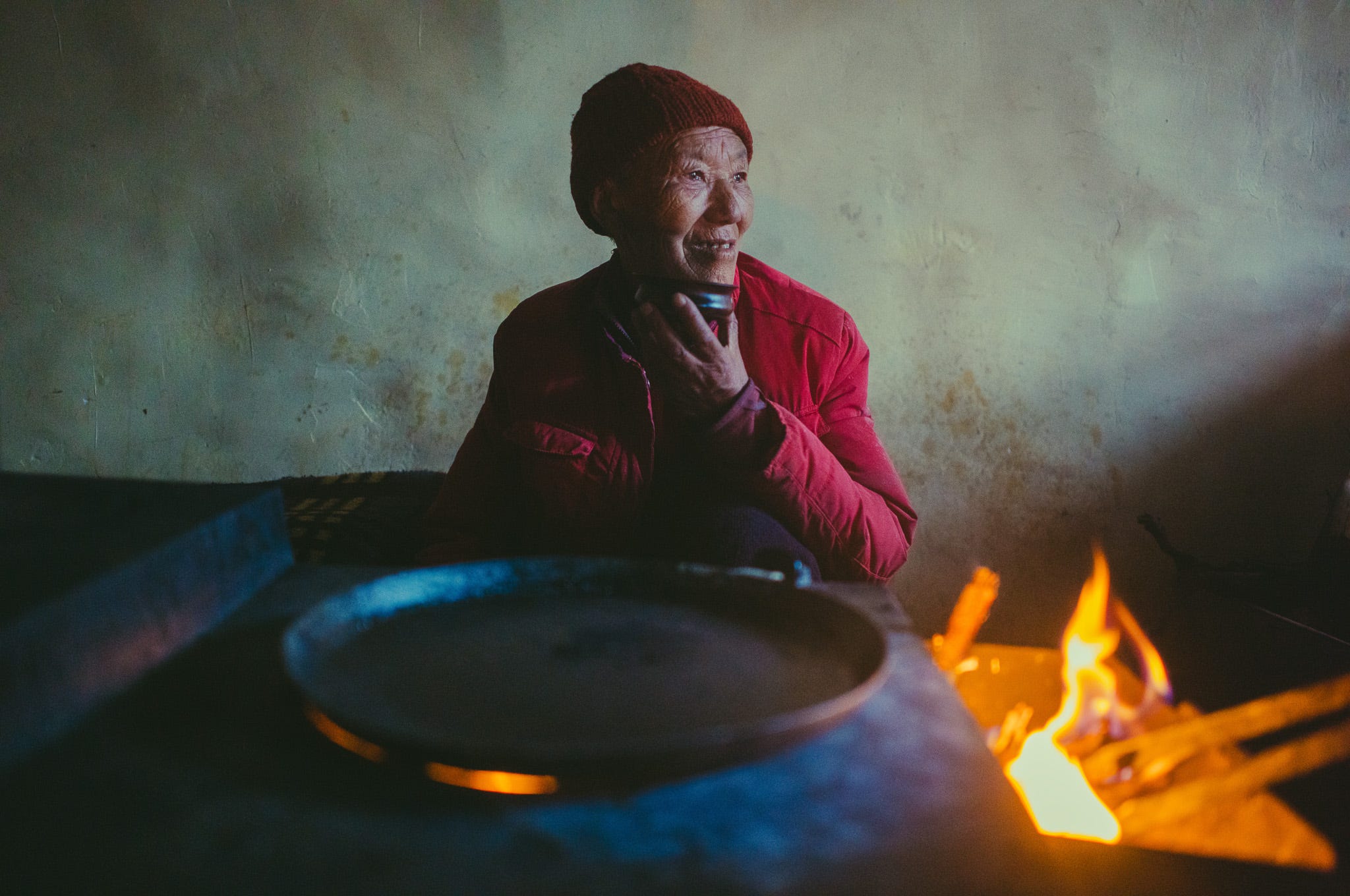
Thiksey Monastery, Ladakh
Perhaps the most important lesson is how to get close to people. India is an incredibly social country. People talk to strangers, they’re curious, and they want to know where you’re from, what you’re doing and why you’re carrying a camera. In my experience, they’re often surprisingly open to being photographed. Imagine arriving for the first time. You walk outside early in the morning and see a man selling chai on a street corner. You buy a cup. He smiles. You tell him it’s really good. He asks where you’re from, and you have a conversation. Then you ask if you can make a photograph.
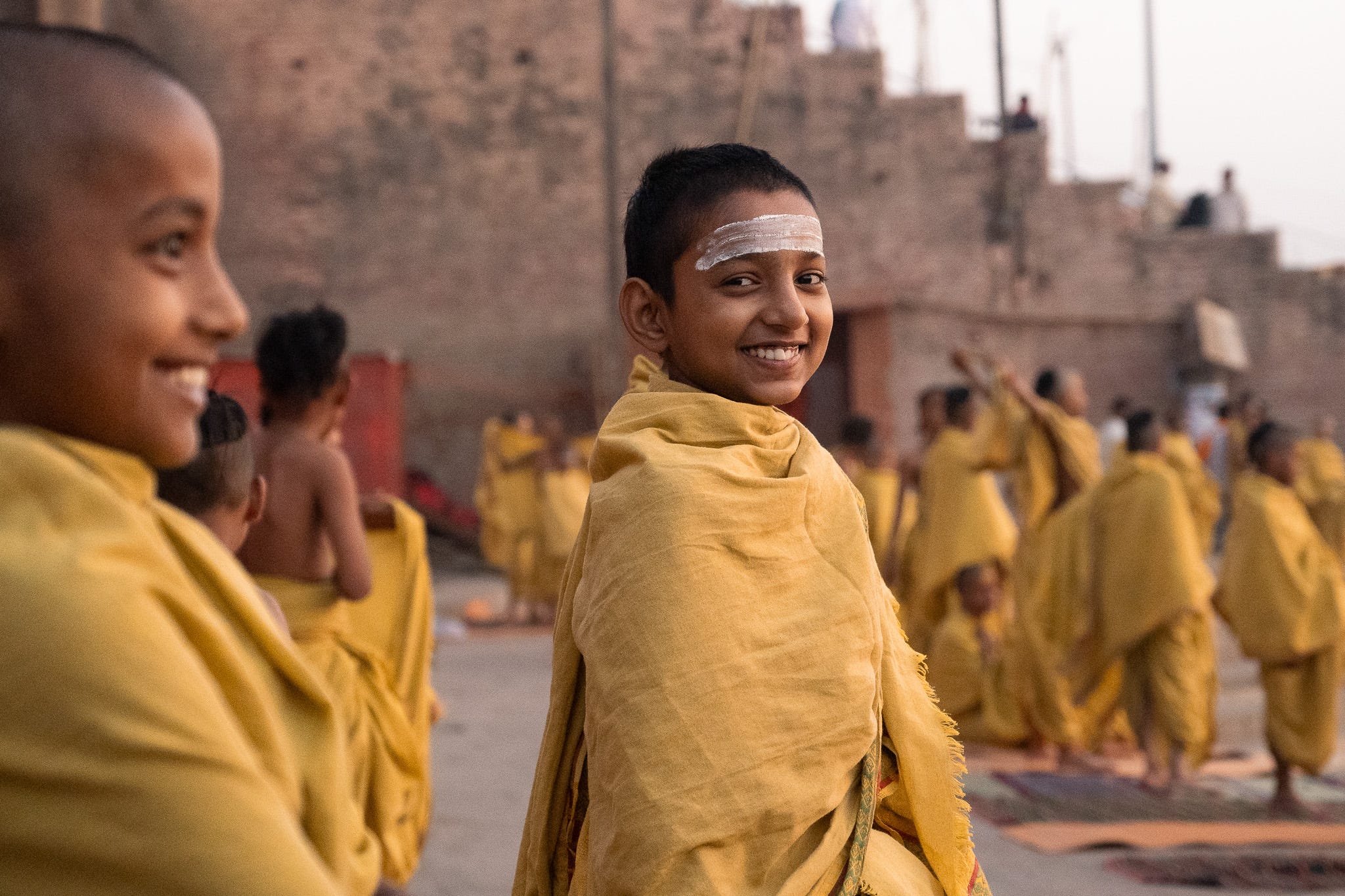
Batuks, Varanasi
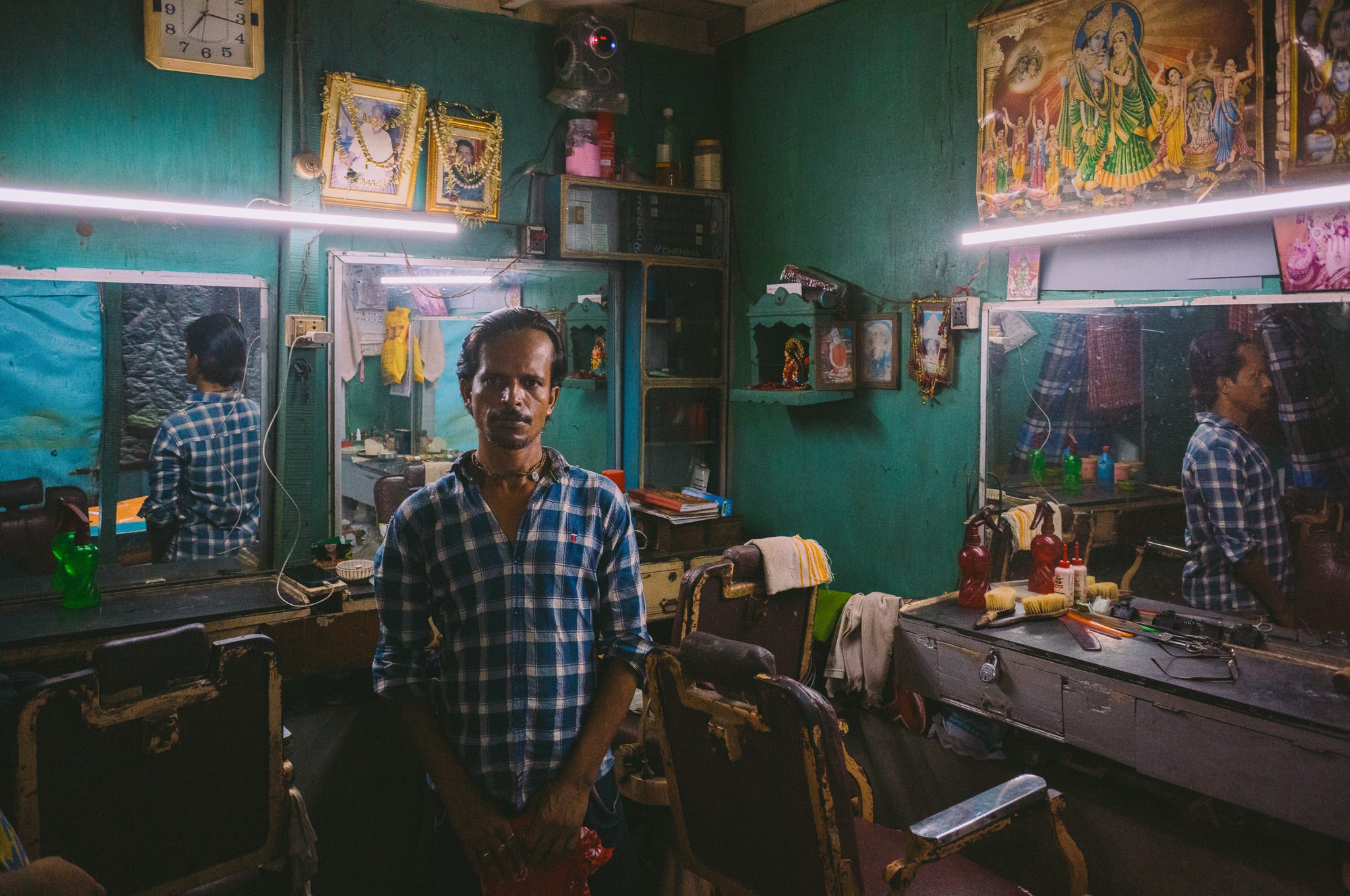
That simple interaction can change your whole trip, because you’ve made a connection first. You don’t need to hide behind a long lens. You can walk towards people, talk to them, ask, and when they say yes, you can get really close: the eyes, the wrinkles, the earrings, the hands, the textures, the tiny details that disappear when you photograph from across the street. Personal space works differently here, too. The crowds, queues and railway stations can feel overwhelming at first, but for a photographer that proximity is an advantage. You stop thinking about how to stay invisible and start thinking about how to become part of the environment.
Perhaps this is what makes India so interesting. You don’t have to travel to one specific place to learn one specific skill, because the country keeps changing the lesson. Go to a market and learn timing. Go to a festival and learn emotion. Go to the mountains and learn scale. Walk through a neighbourhood and learn how to connect with people. Then do it again somewhere completely different. With 28 states, each brings its own landscapes, traditions, food, clothing and rhythms of daily life, and you can feel like you’re photographing completely different worlds. But underneath all of it is something consistent: there are people everywhere, and there are stories everywhere.
You don’t need to wait for something extraordinary to happen. You can find a photograph walking out of your hotel, buying a cup of chai, or sitting at a railway station. The classroom is already there. You just have to walk into it. And the most important lesson isn’t about cameras at all. It teaches you to be curious, to talk to people, to slow down, to observe, to be respectful, to ask, and to get closer. Eventually you stop seeing India as a collection of photographic opportunities and start seeing it for what it really is: A country full of people, and therefore a country full of stories.
Everything in this post is easier to understand in the street than on a page. The timing in a market, the emotion in a ceremony and the courage to ask a stranger can’t be learned from a lesson. You learn them by doing them, and by having someone look at your frames at the end of the day.
Till next time,
Shivam
Shivam Pandey
Born in Varanasi, shaped by Kolkata — Shivam Pandey has spent over a decade reading the streets before the camera comes out. That is the skill he passes on: not technique, but awareness.Born in Varanasi, shaped by Kolkata — Shivam Pandey has spent over a decade reading the streets before the camera comes out. That is the skill he passes on: not technique, but awareness.
Subscribe to Kolkata Photo Tours
Photography stories, insights, and guides from the streets of Kolkata and India — straight to your inbox.
Free · No spam · Unsubscribe anytime