A personal reflection on how the 28mm lens has changed the way I see and move through the streets. Ten years of learning to get closer, slow down, and become part of the moment.
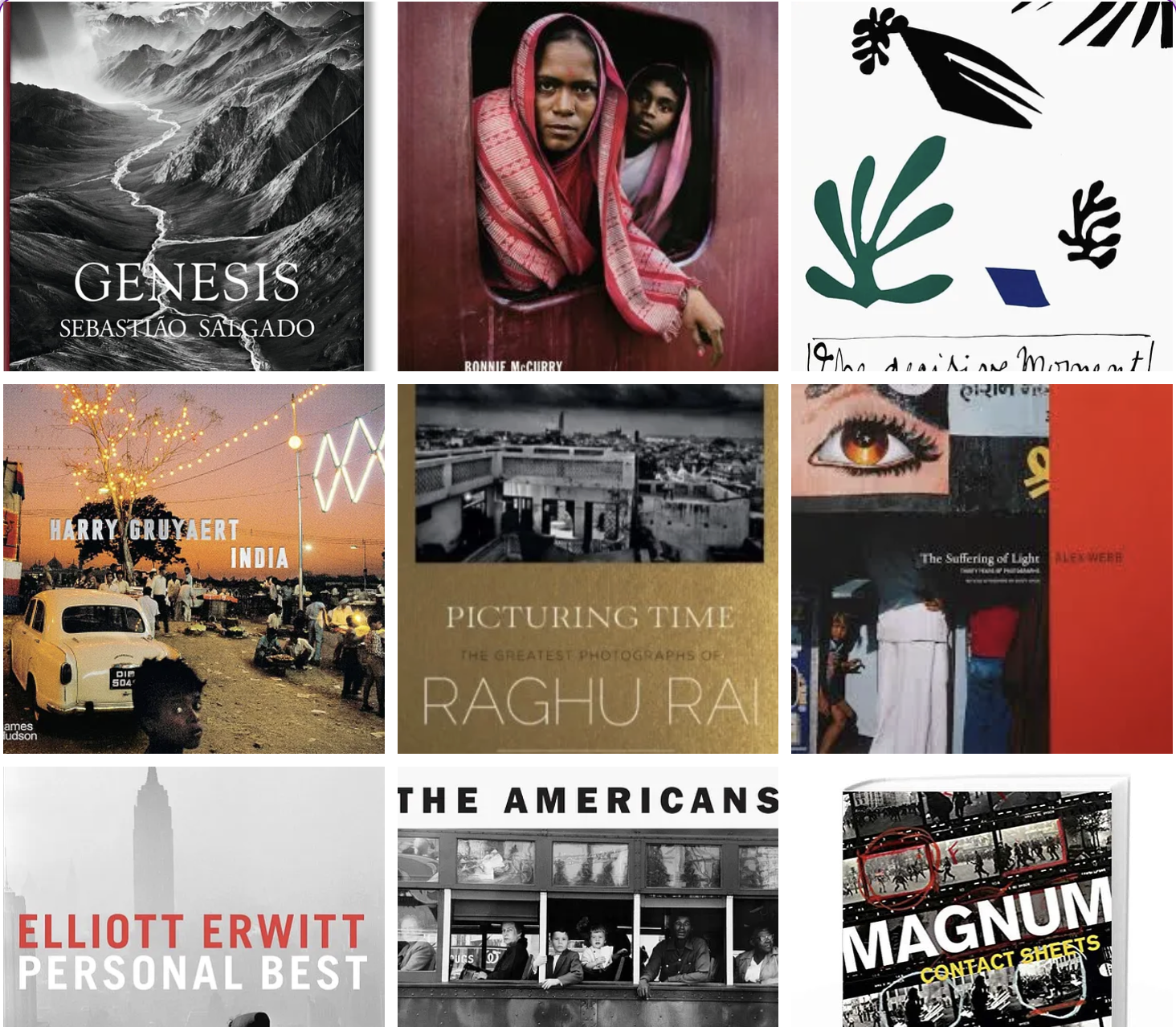
A few weeks ago, I made a YouTube video about something that has quietly shaped my photography for over a decade, my decision to stick with the 28mm focal length for street photography. The video is about to cross 25,000 views, and the response to it has been incredibly encouraging. It made me realise that maybe this is something worth sharing here as well with my substack subcribers more personally, not as a technical recommendation, but as an invitation for you to go out there and try shooting street photography with a 28mm lens, and experience the kind of learning it has to offer.
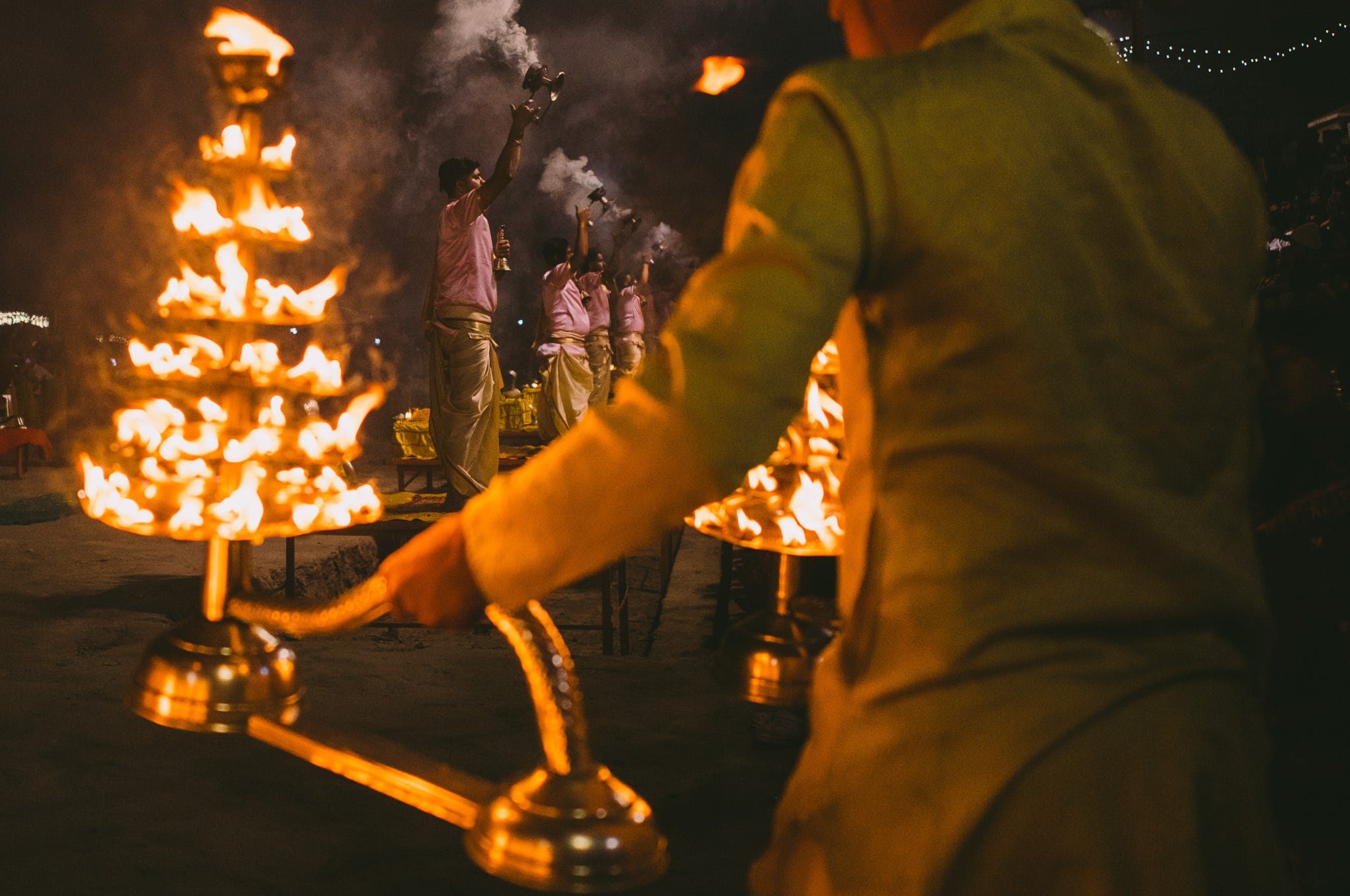
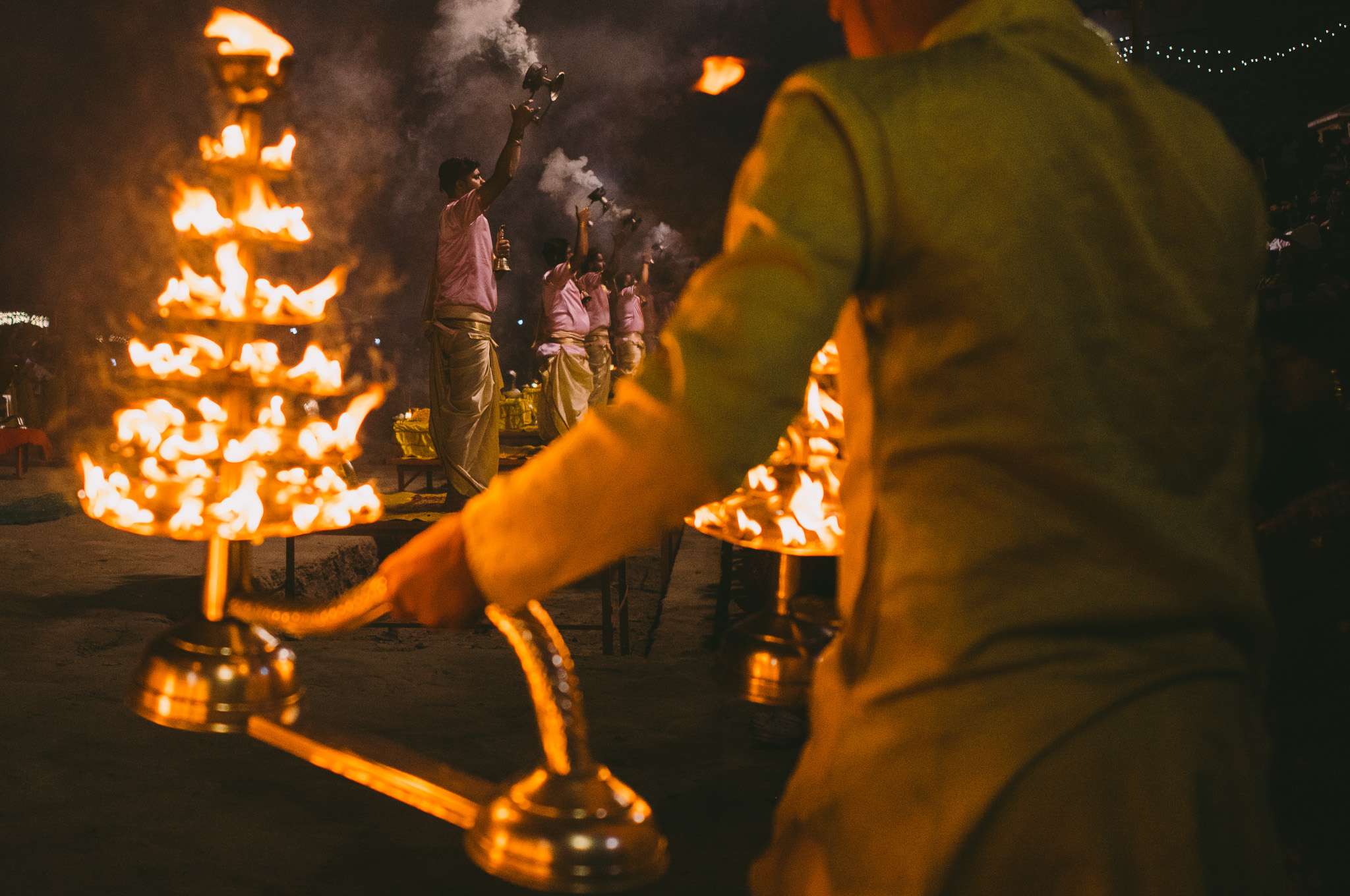
Ganga Aarti in Varanasi, a moment recently shot on a 28mm lens.
For the last ten years, I’ve shot almost exclusively with a 28mm lens for my street photography on cameras like the Leica Q, Leica Q2, & now the Leica M11 p. Over time, I’ve realised that shooting with 28mm isn’t just about choosing a focal length, it’s about adopting a completely different way of seeing. It changes how you move through a space, how you interact with your subjects, and how you build your compositions. When you’re working with 28mm, you can’t stand far away and expect to isolate your subject. You have to get physically close, and that closeness forces you to become part of the scene rather than just observe it from a distance. It makes your photography more immersive, more layered, and often more honest.
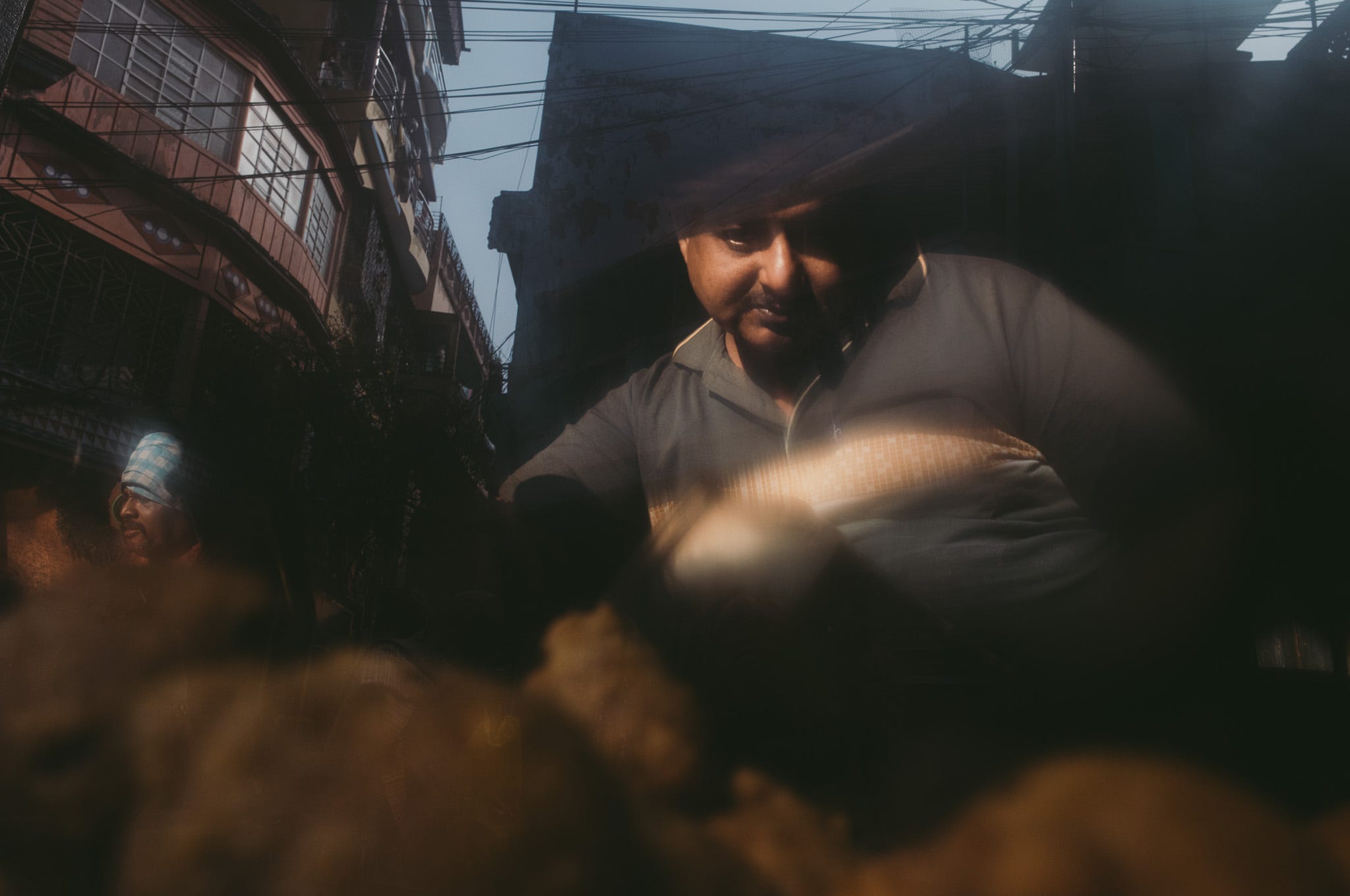
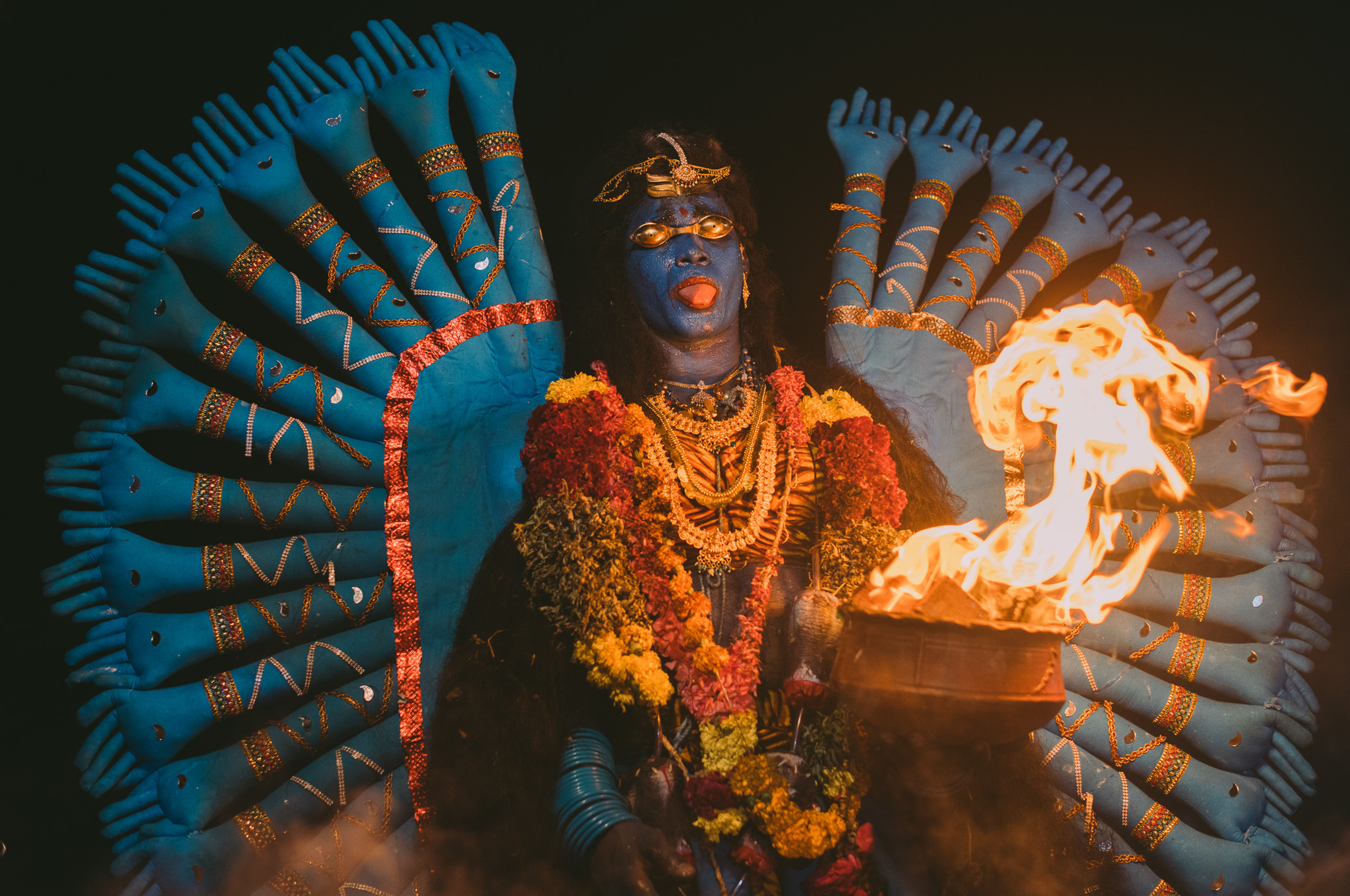
A photograph captured during the filming of the YouTube video of my journey with a 28mm lens.
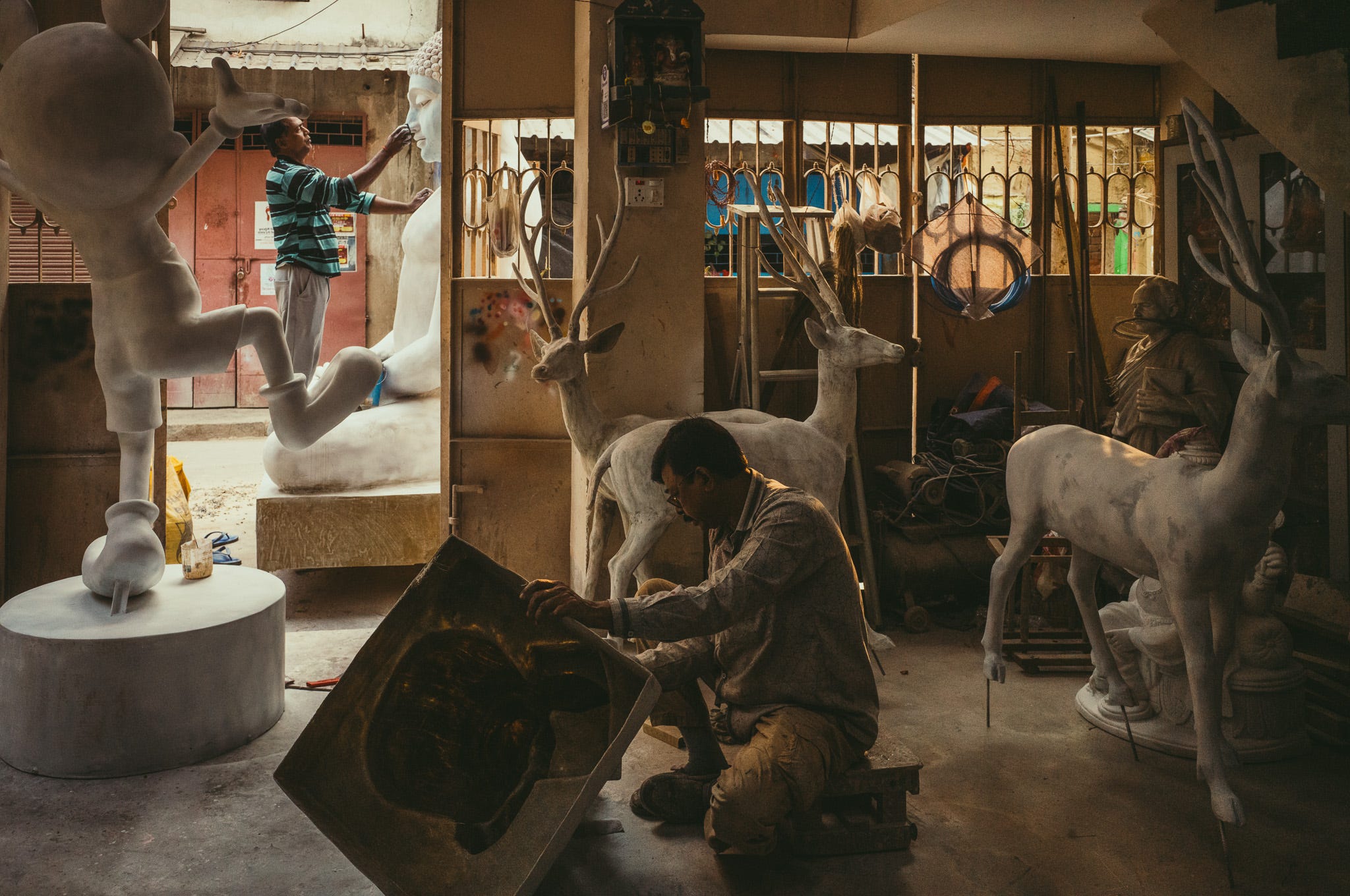
One of my favourite photographs I’ve ever made using a 28mm lens.
In the video, I spoke about how a wider focal length, like 28mm, changes your relationship with the environment you’re photographing. With tighter lenses, you can simplify the frame by excluding elements. But with 28mm, everything comes into view: the subject, the background, the environment, and the relationships between them. This forces you to think more deliberately about composition, where you begin to consider not just what’s happening in front of you, but also what’s happening around your subject. The environment becomes just as important as the person or the action you’re photographing.
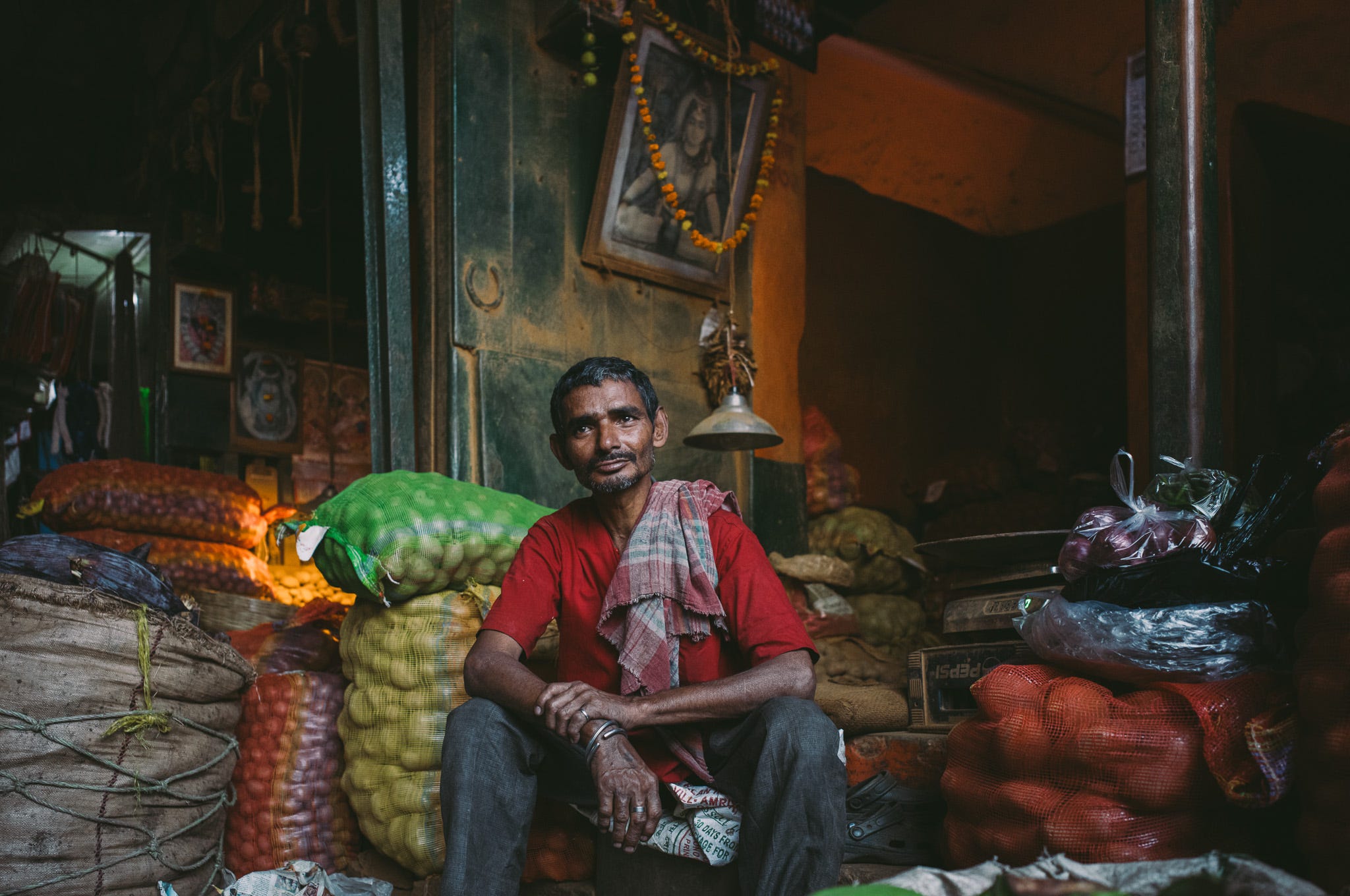
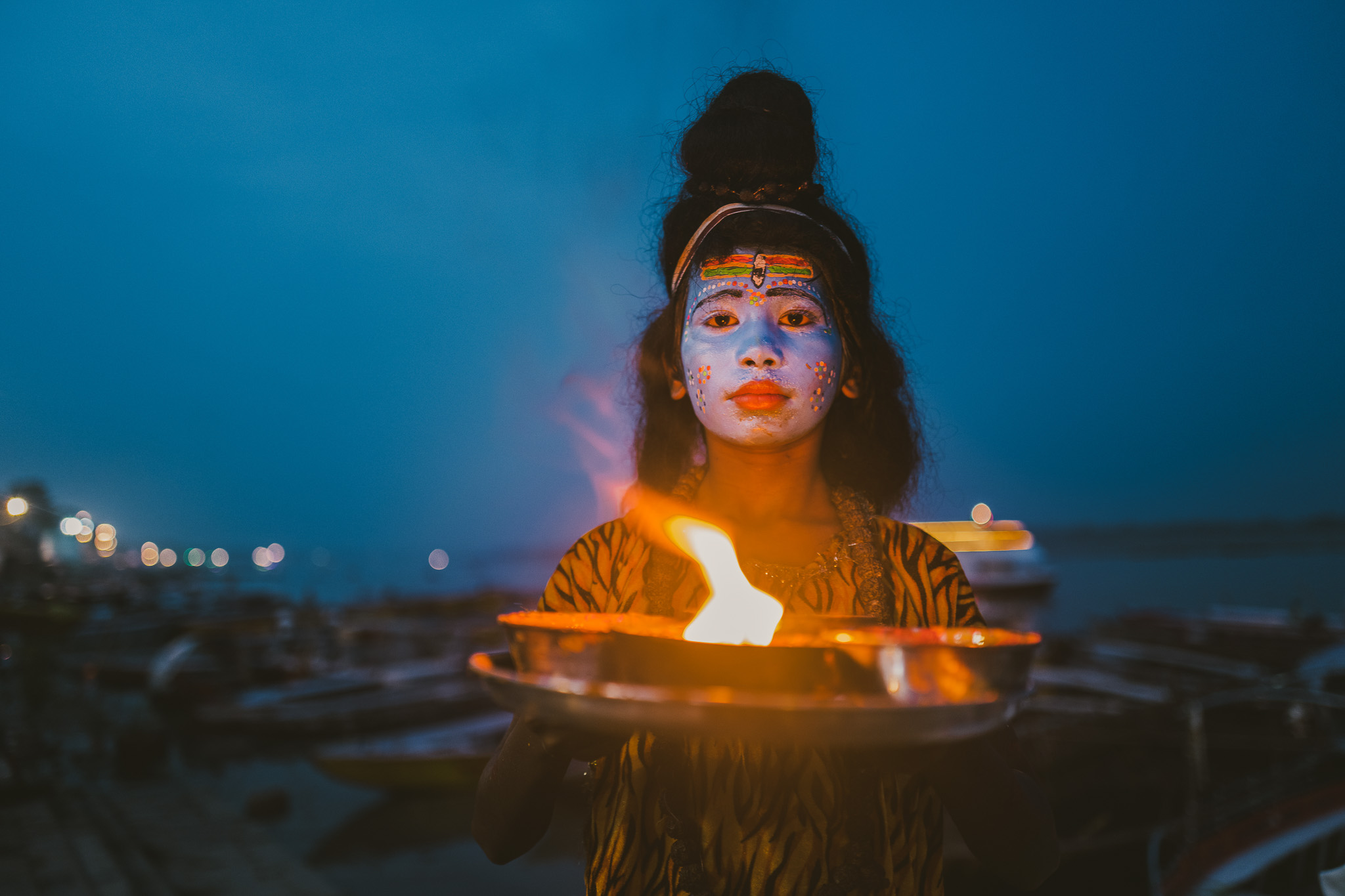
A wider 28mm portrait that draws you into the scene.
I also shared how perspective distortion, something many photographers initially try to avoid, can actually become one of your strongest compositional tools. When you get close with a 28mm lens, elements in the foreground become exaggerated while those in the background appear farther away. If used intentionally, this can create a strong sense of depth within your frame, allowing you to build dynamic compositions that pull the viewer into the scene rather than keeping them at a distance.
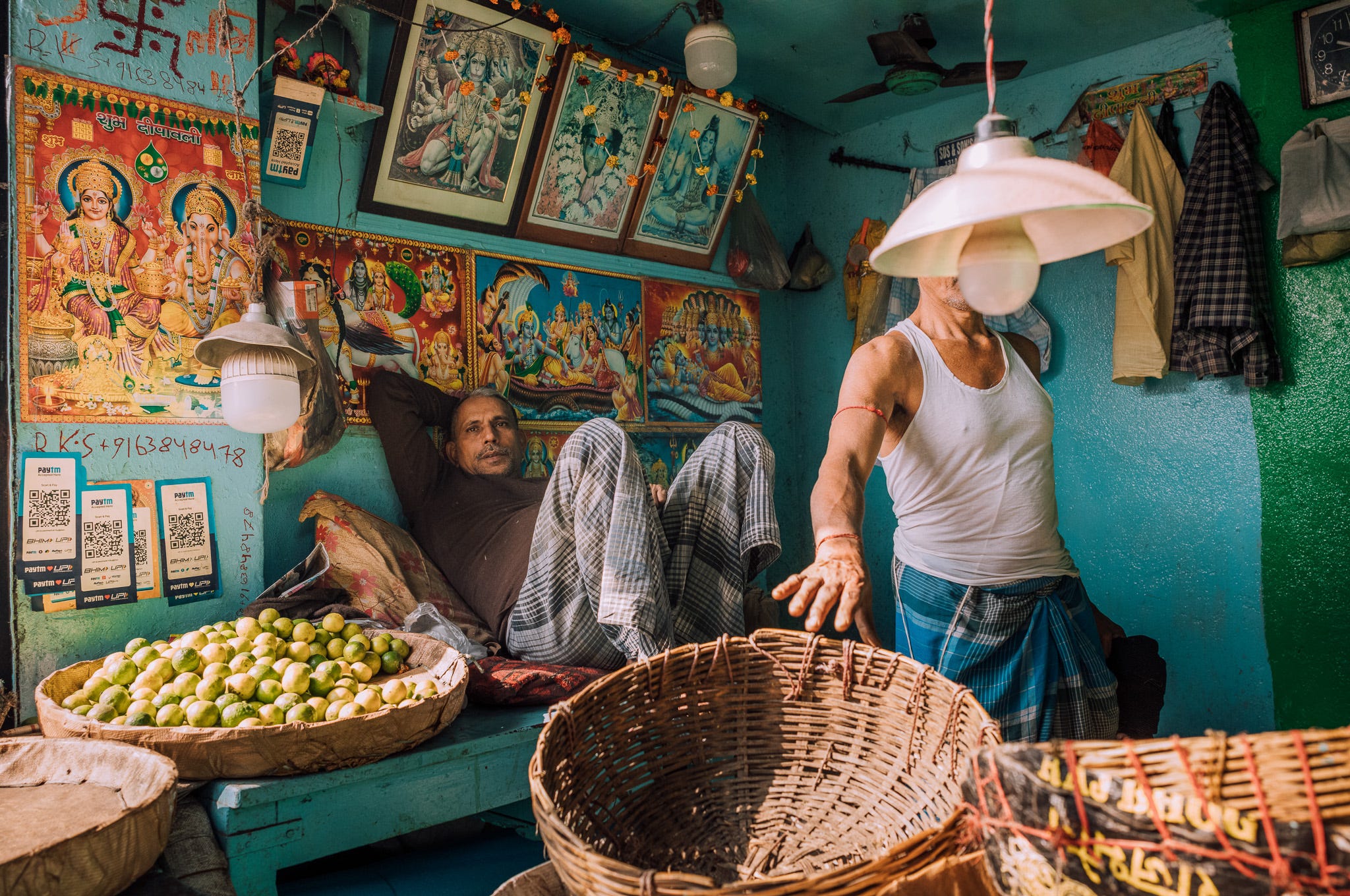
A photograph captured during the filming of the YouTube video of my journey with a 28mm lens.
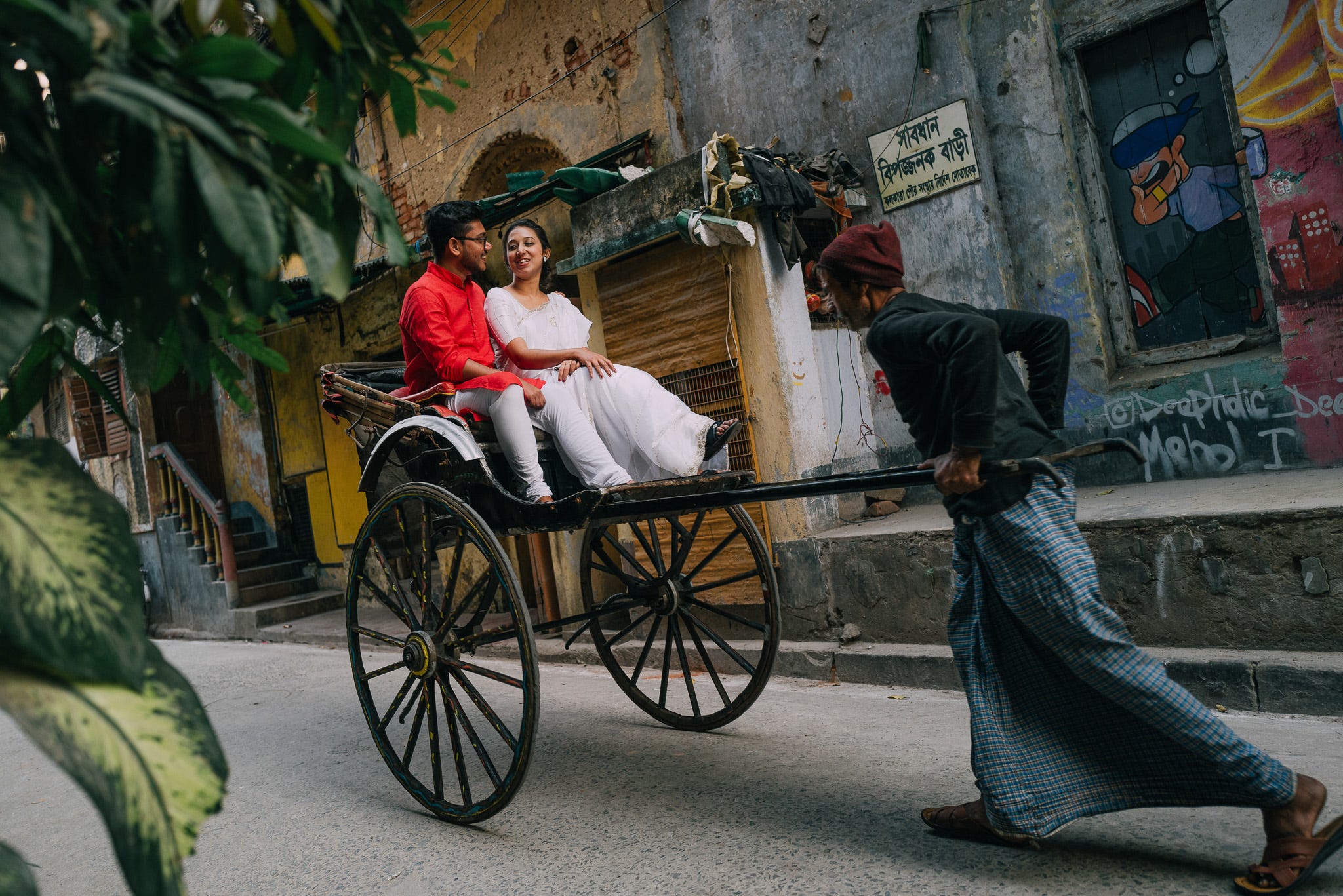
A photograph from the old lanes of Kolkata, shot on a 28mm lens.
Another important aspect I covered was anticipation. Because you’re working so close to your subjects, you need to predict moments before they happen. You can’t rely on zooming in later; you have to be ready, present, and aware of what’s about to unfold. Over time, this changes your mindset. You stop looking for isolated subjects and start looking for interactions, juxtapositions, and layered moments. You begin to see scenes as complete stories instead of individual fragments.
And after years of working this way, I’ve come to realise that 28mm is not just a focal length. It’s a philosophy of seeing, one that pushes you to engage with your surroundings, to be more intentional with your framing, and to embrace complexity within your images
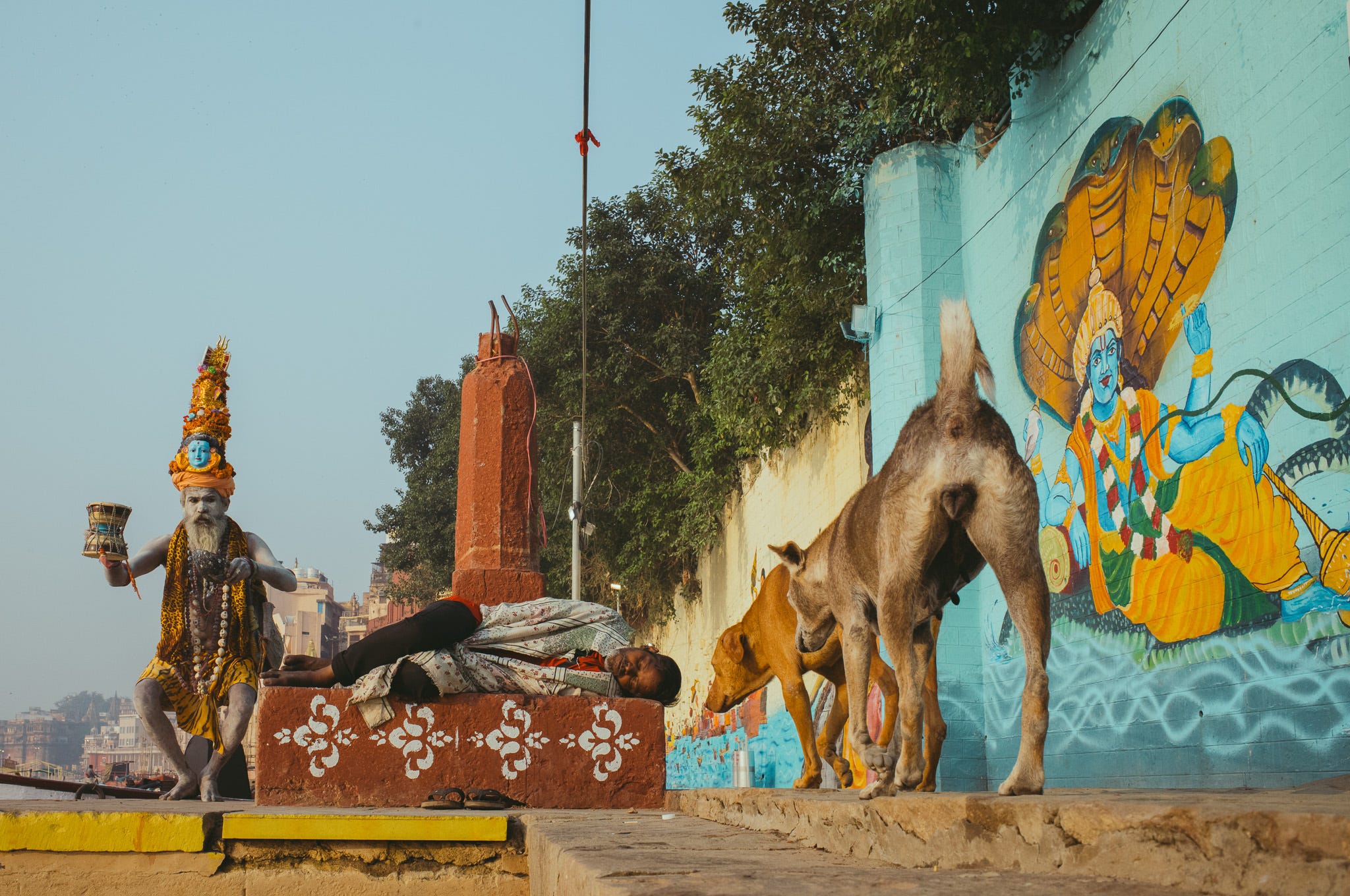
Framing with a 28mm can be an enjoyable process at times. This photograph was made at the ghats of Varanasi.
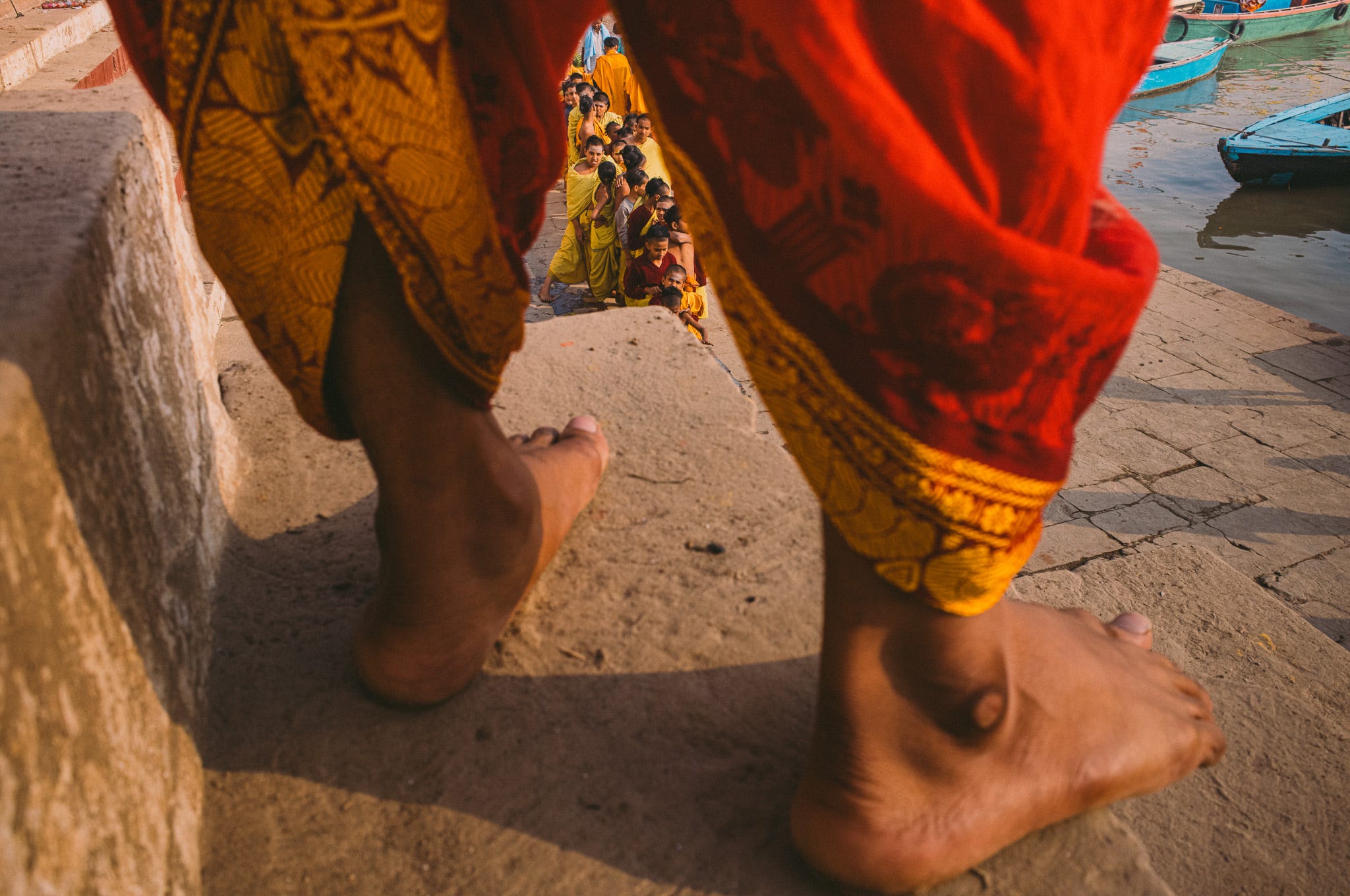
A 28mm allows you to experiment with both foreground and background. This photograph was made at the ghats of Varanasi.
Here’s the video where I talk about my journey with the 28mm lens:
Enjoyed this? Like, share, and subscribe on YouTube for more from Kolkata and beyond.
Shivam Pandey
Born in Varanasi, shaped by Kolkata — Shivam Pandey has spent over a decade reading the streets before the camera comes out. That is the skill he passes on: not technique, but awareness.Born in Varanasi, shaped by Kolkata — Shivam Pandey has spent over a decade reading the streets before the camera comes out. That is the skill he passes on: not technique, but awareness.
Subscribe to Kolkata Photo Tours
Photography stories, insights, and guides from the streets of Kolkata and India — straight to your inbox.
Free · No spam · Unsubscribe anytime